 by
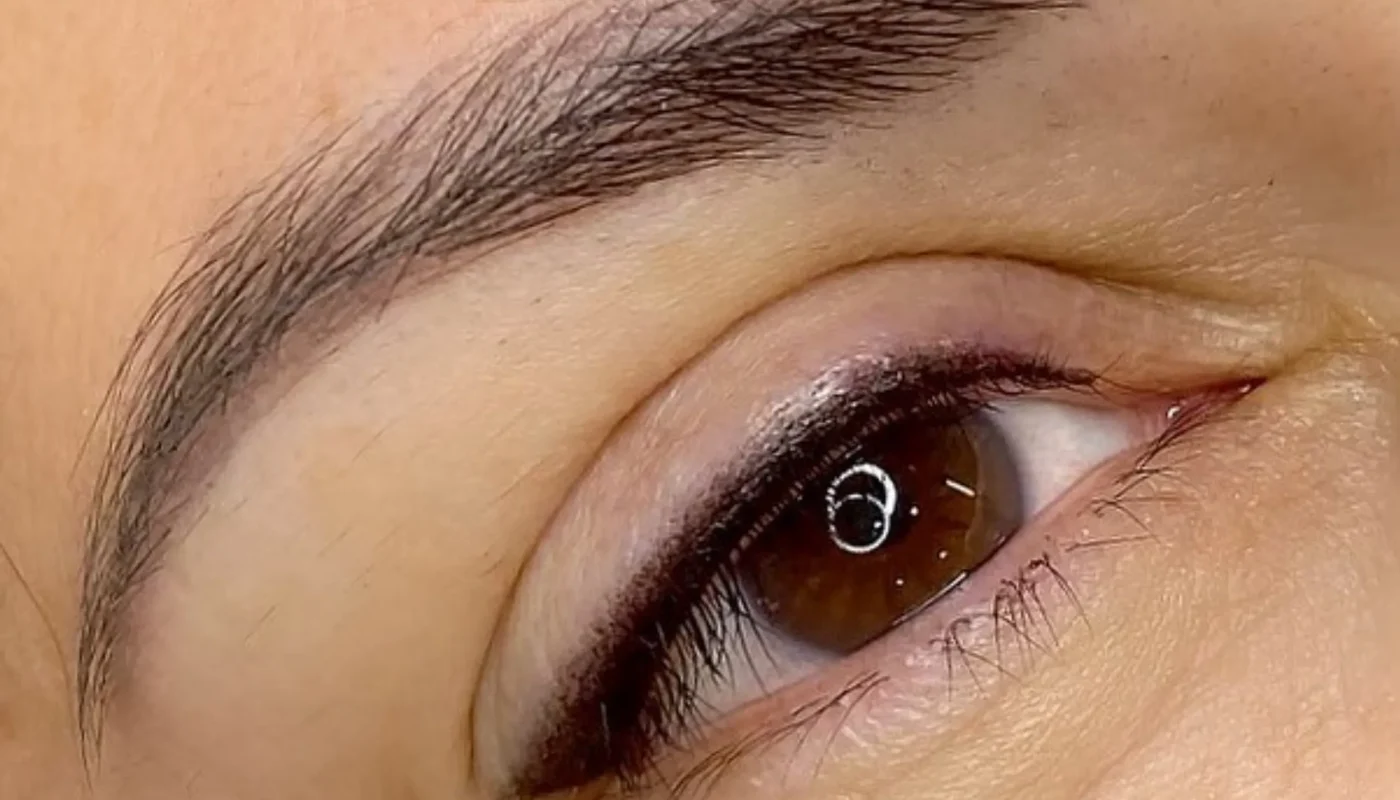
by Eyeliner tattoos are a form of cosmetic tattooing that gives you semi permanent defined eyes without the daily hassle of makeup. While the eyeliner tattooing can be life changing for many, it’s important to consider how medications and medical conditions can impact the process, healing and results. Medications affect blood flow, skin sensitivity and the retention of tattoo pigments and understanding how they work is key to getting the best results.
This article will cover how medications and skin factors affect permanent eyeliner tattoo procedures, including prep, aftercare and risks.
Contents
- 1 Medications That Affect Eyeliner Tattooing
- 1.1 1. Blood Thinners
- 1.2 2. Non Steroidal Anti Inflammatory Drugs (NSAIDs)
- 1.3 3. Steroid Creams and Medications
- 1.4 4. Retinoids
- 1.5 5. Antidepressants and Anxiety Medications
- 1.6 6. Antiviral Medications
- 1.7 7. Diabetes Medications
- 1.8 Impact of Medications on Healing and Retention
- 1.9 Medications to Avoid Before Eyeliner Tattooing
- 1.10 Preparation and Aftercare Tips
- 1.11 Factors Affecting Pigment Retention
- 2 Conclusion
- 2.1 FAQs
- 2.2 Can I take painkillers before my eyeliner tattoo?
- 2.3 How does diabetes medication affect pigment retention?
- 2.4 Should I stop using retinoids before my tattoo appointment?
- 2.5 Are there medications that will prevent me from getting an eyeliner tattoo?
- 2.6 Can hormonal changes affect eyeliner tattoo results?
Medications That Affect Eyeliner Tattooing
1. Blood Thinners
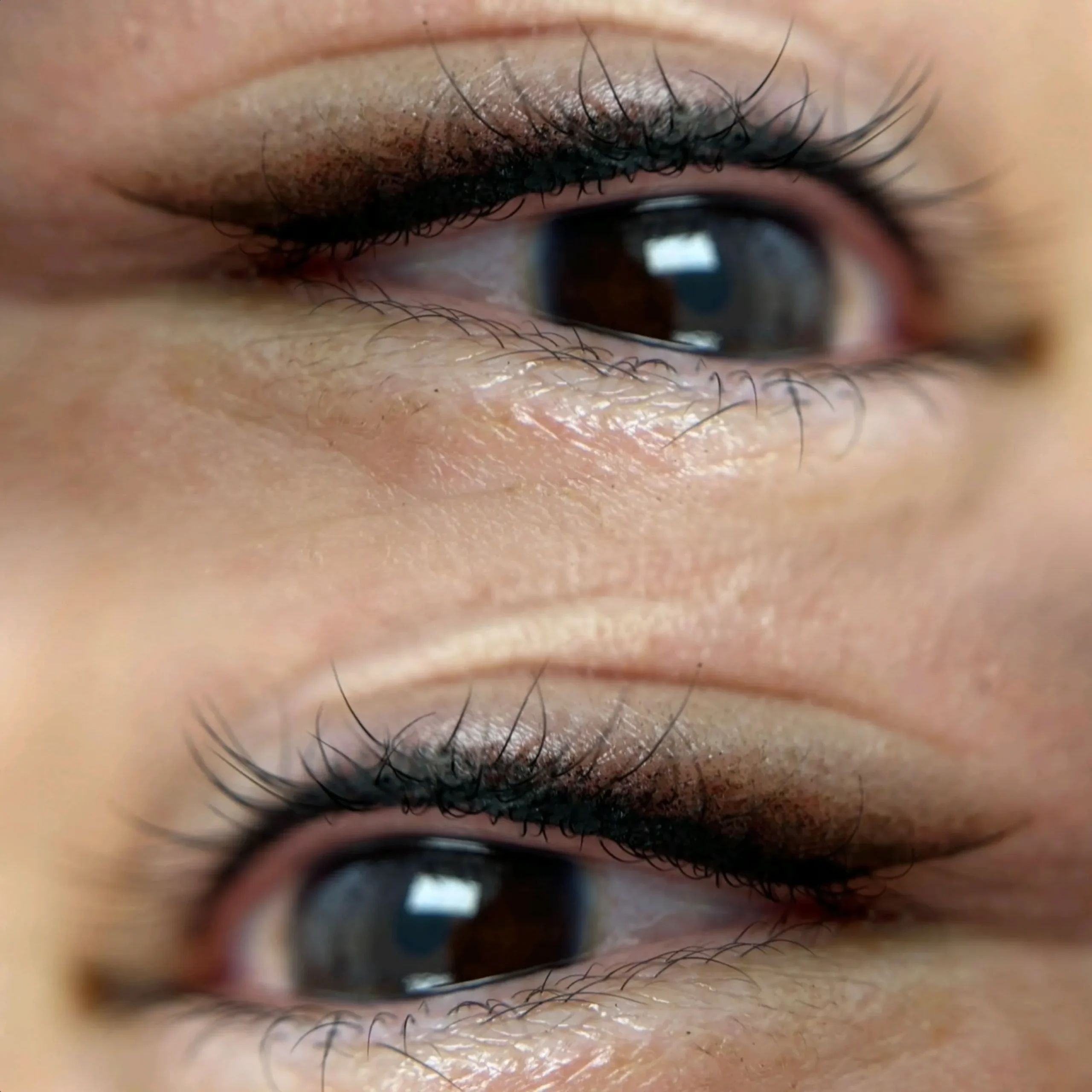
Aspirin, warfarin and clopidogrel reduce blood volume and blood flow, increasing the risk of bleeding during the tattoo session. Excess bleeding can dilute the cosmetic tattoo pigments and result in poor colour retention or faster fading. It also prolongs the healing time and increases the risk of infection.
2. Non Steroidal Anti Inflammatory Drugs (NSAIDs)
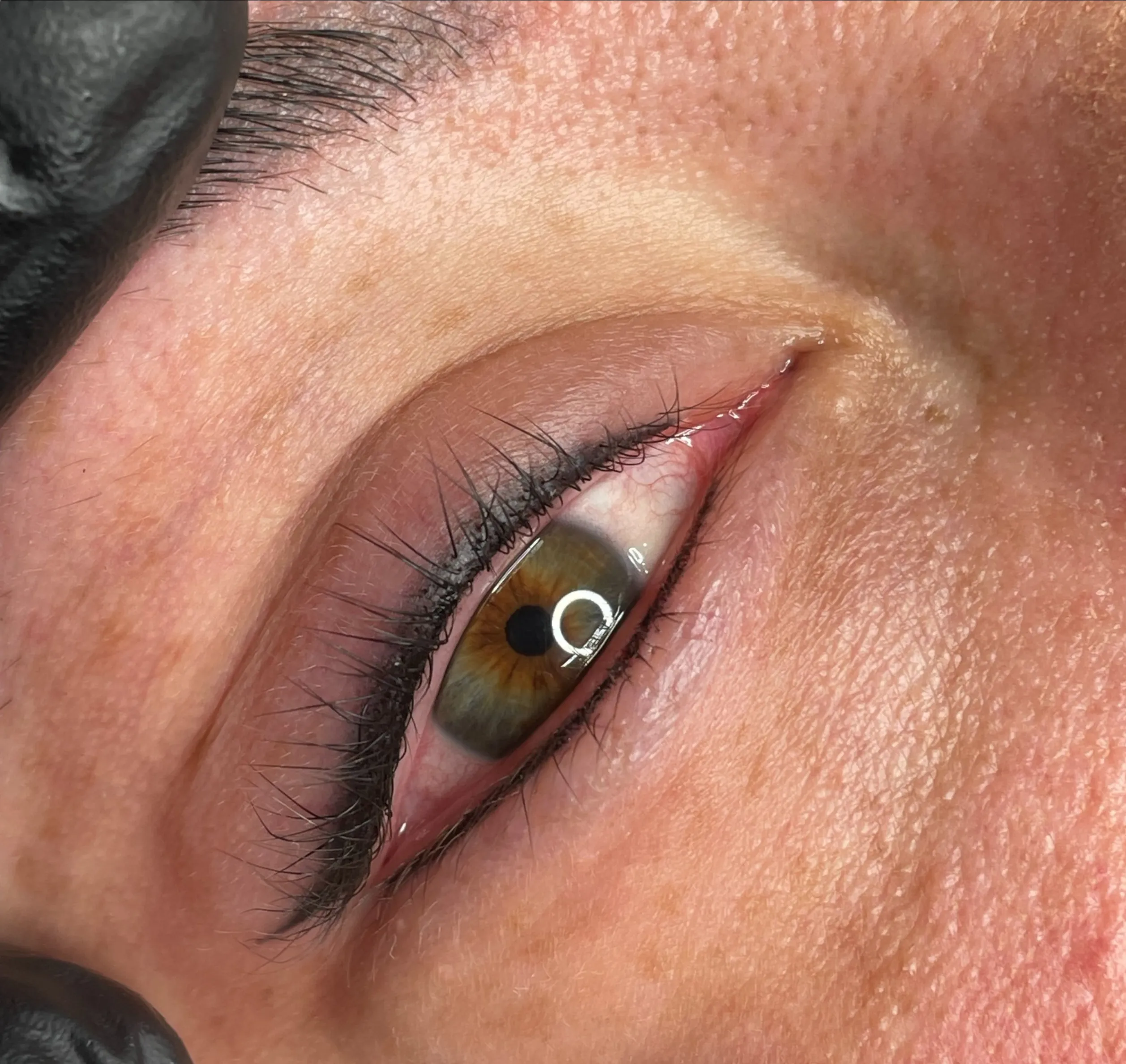
Over the counter pain relievers like ibuprofen and naproxen thin the blood similarly to prescription blood thinners and can cause uneven pigment retention and longer healing times.
3. Steroid Creams and Medications
Topical creams like steroid creams or oral corticosteroids used to treat conditions like keratosis pilaris or chronic acne can weaken the top layer of the skin making it more fragile and prone to uneven colour distribution. They can also delay skin regeneration and affect the overall outcome of the procedure.
4. Retinoids
Oral and topical retinoids like isotretinoin used for acne treatment can thin the skin and increase skin sensitivity. Clients on retinoids should wait a minimum of 6 months after stopping treatment before having cosmetic tattoo treatments.
5. Antidepressants and Anxiety Medications
These medications can increase skin sensitivity and affect the pain threshold during the procedure. This can make the tattooing more uncomfortable for those with sensitive skin or low pain tolerance.
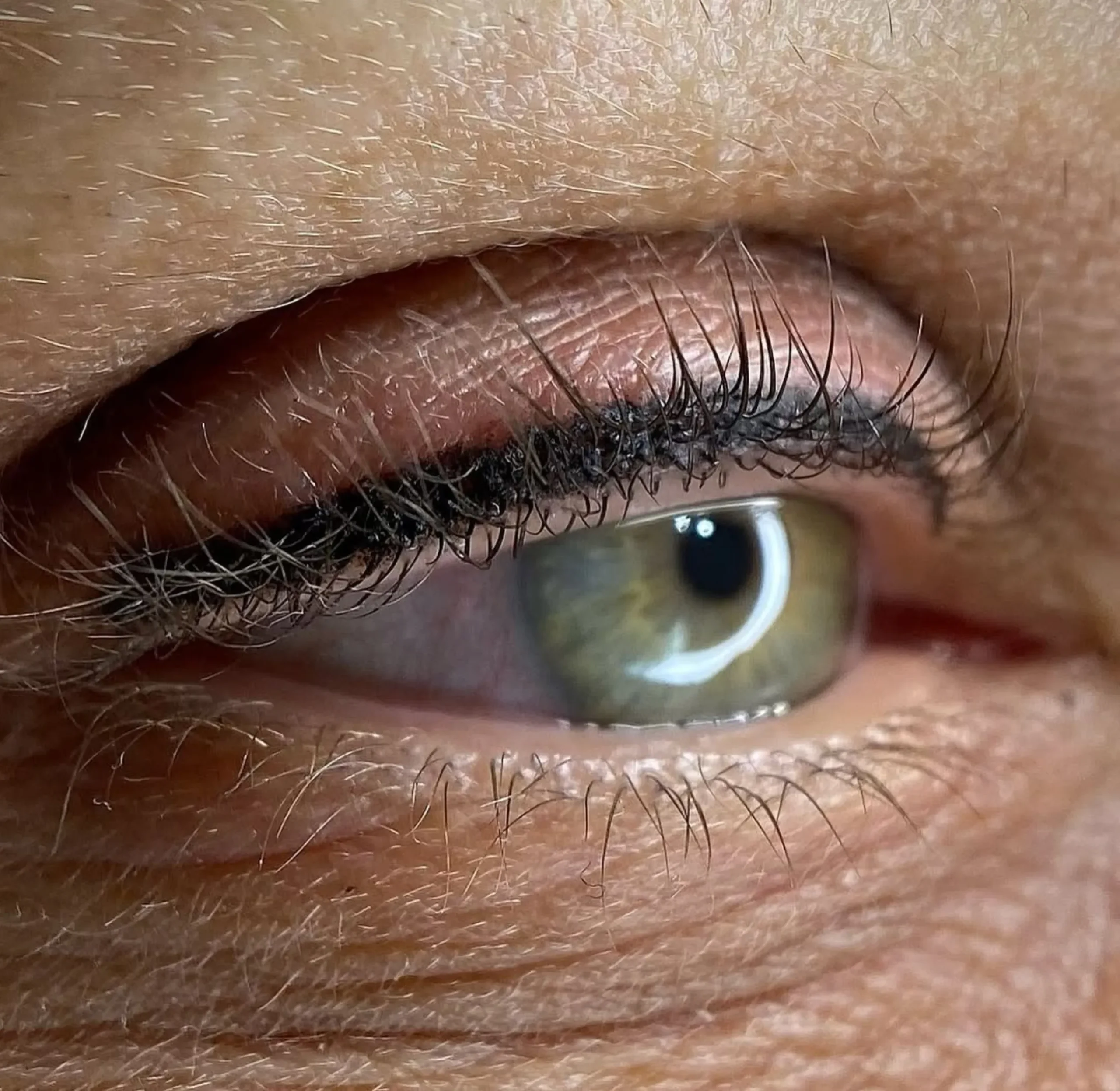
For those prone to oral herpes or skin infections, taking antiviral medication as a precaution is recommended to minimize the risk of infection during the healing period.
7. Diabetes Medications
Diabetics often have slower wound healing due to poor blood sugar control. This can affect how well the tattooed pigment sets in the skin and may require extra colour correction or touch ups.
Impact of Medications on Healing and Retention
Slower Healing
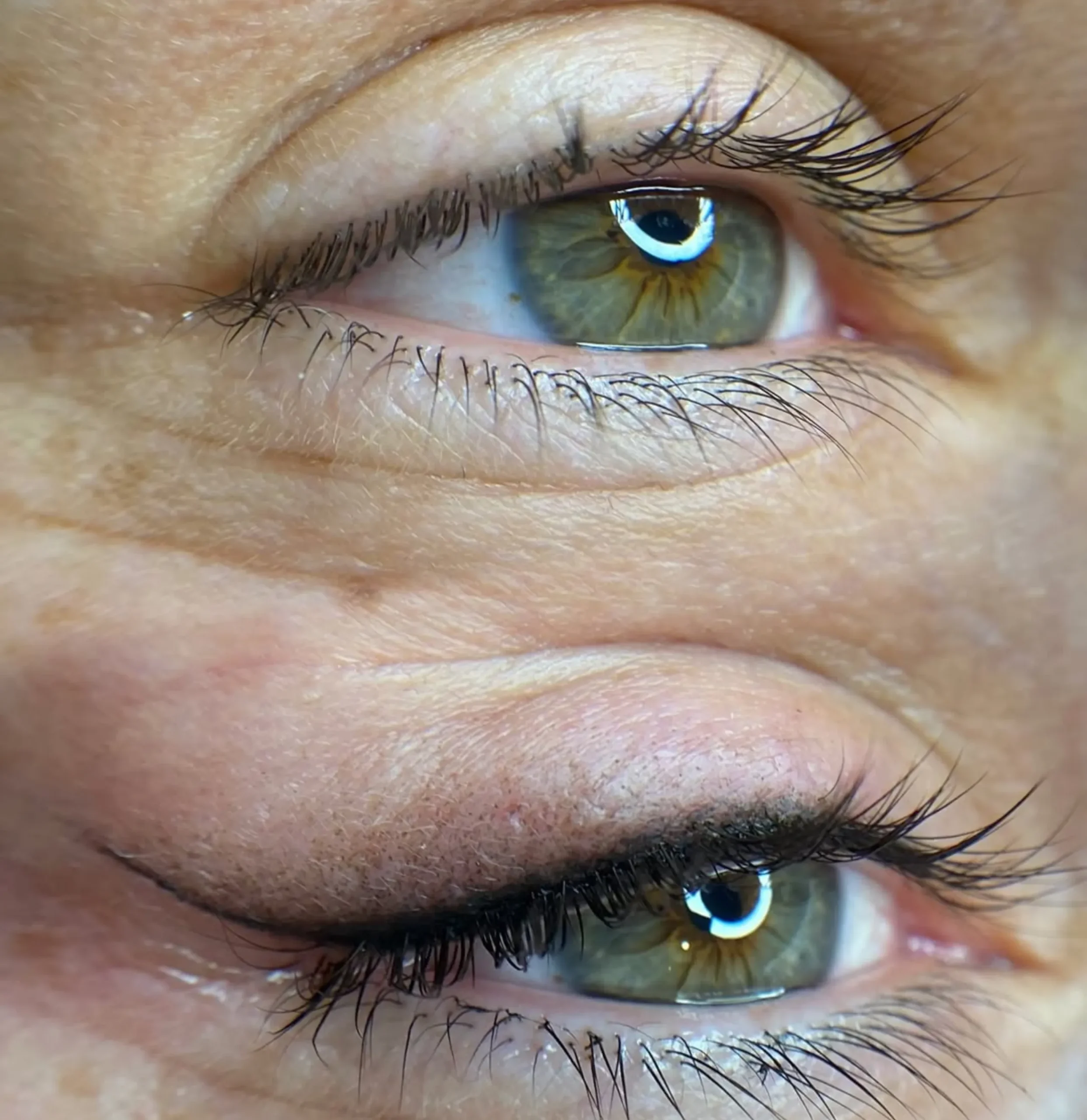
Immunosuppressants, chemo drugs, or blood circulation and blood sugar level medications can cause slower healing and uneven pigment retention. Diabetics may heal longer and have higher risk of scarring or infection.
Poor Pigment Retention
Some medications and conditions cause poor pigment retention or faster fade. Hormonal fluctuations from birth control or menopause can affect long term pigment retention.
Skin Fragility and Allergic Reactions
Topical medications or underlying skin conditions like keloid scarring or skin allergies can cause irritation or allergic reactions making the skin less receptive to the tattoo needle. These reactions can cause patchy results or even rejection of tattoo pigments.
Medications to Avoid Before Eyeliner Tattooing
- Blood thinners (aspirin or warfarin)
- NSAIDs (ibuprofen or naproxen)
- Topical creams with steroids or retinoids
- Hormonal medications that affect skin sensitivity or pigment retention
- Anticoagulants or chemo drugs
Consult with your doctor before stopping any prescribed medication to minimize risks.
Preparation and Aftercare Tips
Before the Procedure
- Book a cosmetic tattoo appointment with an experienced artist or cosmetic tattoo specialist who knows your medical history.
- Stop blood thinners 24-48 hours before the procedure (with doctor’s approval).
- Avoid sun or chemical peels on the face for at least 2 weeks before.
- Use numbing cream as recommended by your artist to minimize discomfort during the tattoo session.
After the Procedure
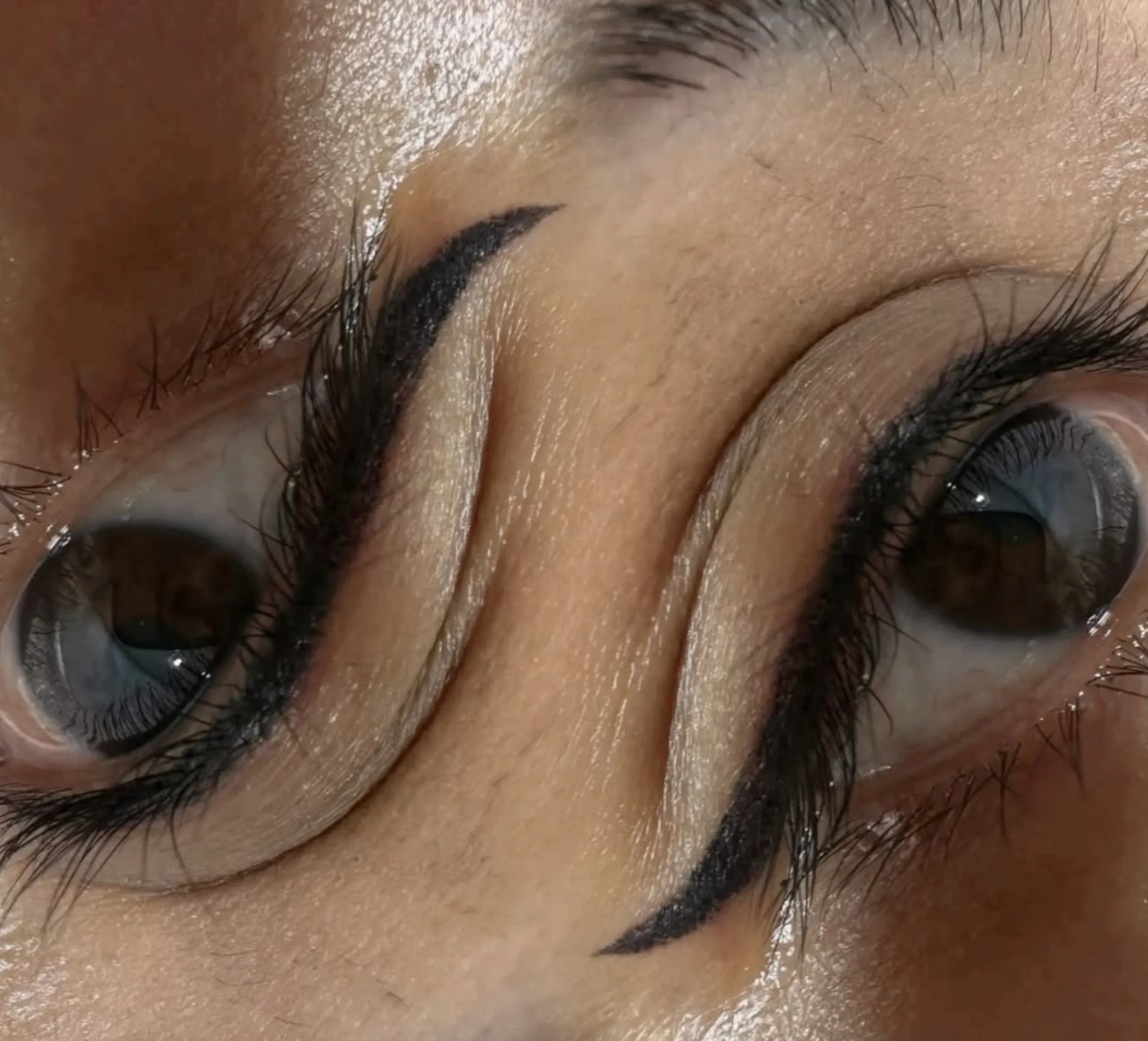
- Apply aftercare cream Bepanthan Tattoo as directed to heal optimally.
- Avoid swimming pools, direct sun or face down swimming during the healing period.
- Don’t use traditional makeup or eye products like lash extensions for 1-2 weeks to prevent irritation.
- Follow aftercare strictly to minimize infection and scarring.
Factors Affecting Pigment Retention
- Skin Type: Oily skin can cause poor color retention and faster fade.
- Lifestyle: Active lifestyle with frequent sun or water exposure can cause pigment loss.
- Previous Skin Conditions: Skin cancer or existing micro-bladed scars can cause uneven pigment results.
- Medication: Long term use of topical creams or blood thinners can affect results.
Conclusion
Eyeliner tattoos (also known as permanent eyeliner or lash enhancement tattoo) is a long term solution to enhance the eyes and no more daily makeup application. The permanent eyeliner tattoo gives a precise look, results can last for years depending on skin type, aftercare and lifestyle. While the eyeliner tattoo price may vary depending on location, artist and design, its a cost effective solution for those who want the convenience of permanent makeup.
Medications and medical conditions play a big role in the success of eyeliner tattoos. By knowing the possible effects, you can take necessary precautions to ensure a safe and successful cosmetic tattooing. Always consult your cosmetic tattoo artist and healthcare provider to address your specific needs and get the best results.
FAQs
Can I take painkillers before my eyeliner tattoo?
No, avoid NSAIDs like ibuprofen as it thins the blood and increases bleeding during the tattoo session.
How does diabetes medication affect pigment retention?
Poor blood sugar control can cause slower healing and uneven pigment retention.
Should I stop using retinoids before my tattoo appointment?
Yes, stop using retinoids at least 6 months prior to allow your skin to fully recover.
Are there medications that will prevent me from getting an eyeliner tattoo?
Some blood thinners and chemotherapy drugs may require you to reschedule the procedure.
Can hormonal changes affect eyeliner tattoo results?
Yes, hormonal changes can affect pigment retention and healing.