 by
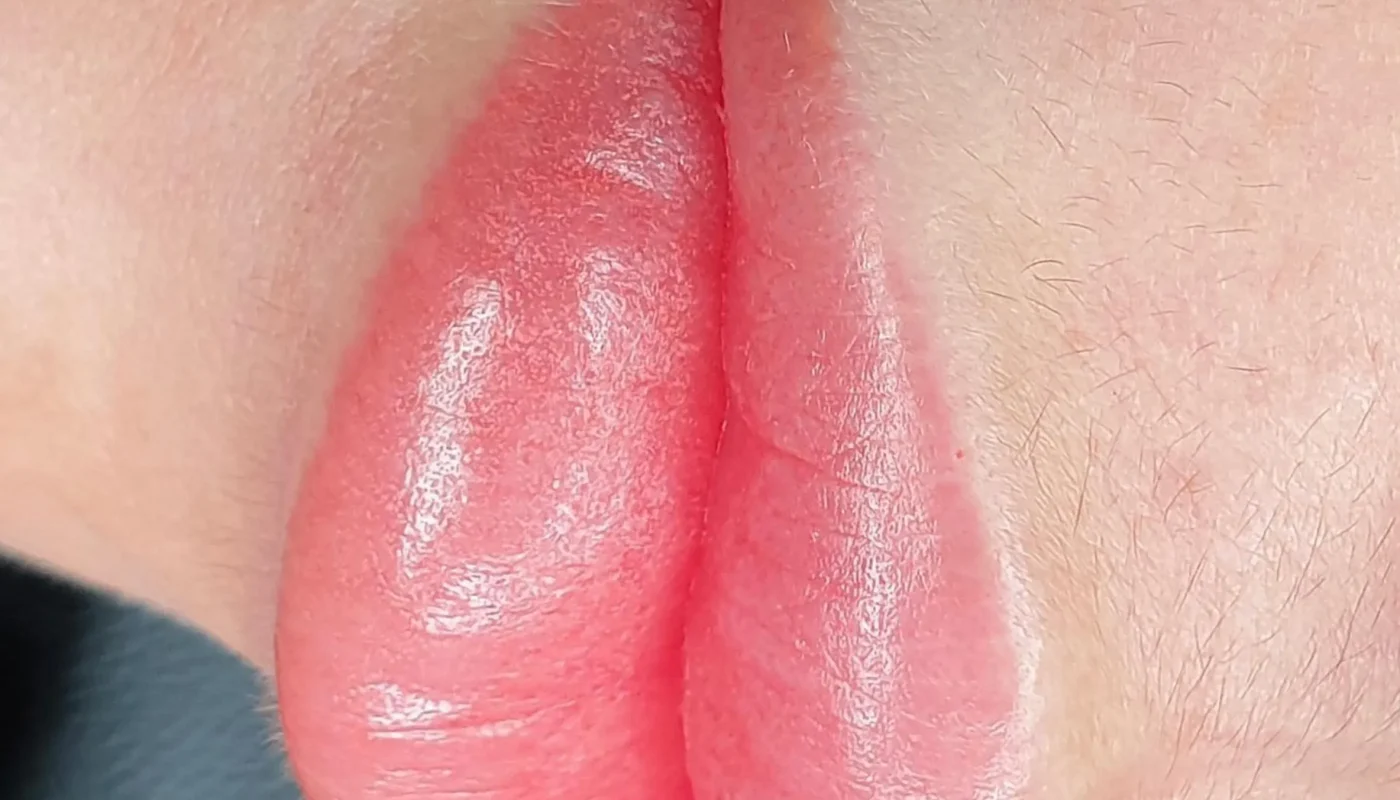
by Let’s get to it: do lips always peel after lip blushing? Almost always, yes — but it’s not the end of the world. A little peeling is part of the healing process, not a sign of failure. But how it looks, feels, and behaves? That depends on your skin type, aftercare products and the quality of your semi-permanent makeup session.
At my Melbourne-based cosmetic tattoo studio, we see a wide range of healing responses after a Lip Blush Tattoo. Some clients flake lightly with hardly any peeling, others go through a full “lizard-lip” phase. The important thing is knowing what’s normal, what’s not and how to support your lips as they heal after this cosmetic tattooing procedure.
Contents
- 1 Healing Timeline: Week by Week
- 2 Why Peeling Happens (and Why It’s a Good Thing)
- 3 What If You Don’t Peel?
- 4 Peeling vs Picking: A PSA We Can’t Say Loud Enough
- 5 How to Care for Peeling Lips
- 6 Is It Normal for the Colour to Disappear?
- 7 Real Talk: What We See in the Studio
- 8 How Long Until Lips Feel Back to Normal?
- 9 Final Thoughts: Trust the Process
- 10 FAQ
Healing Timeline: Week by Week
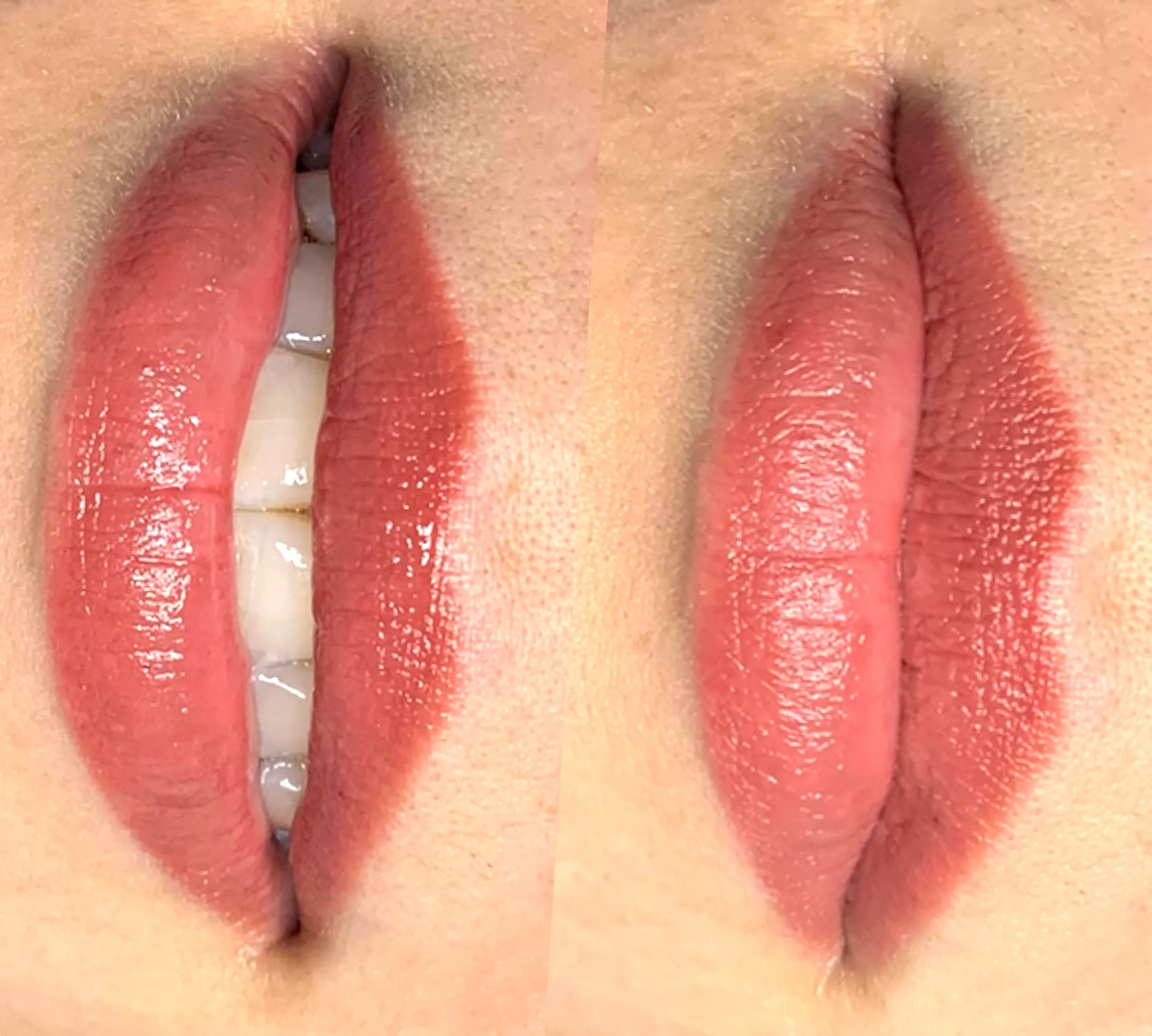
No two lip tattoos heal the same, but here’s the general play-by-play most clients follow during the initial healing process.
| Day | What to Expect | Tips |
|---|---|---|
| 1-2 | Swelling, tenderness, and intense lip colour | Apply an ice pack gently, dab lips clean with saline-soaked cotton pads or Zensa Numbing Cream post-procedure |
| 3-5 | The peeling stage and dryness begin | Don’t pick! Keep lips hydrated with aftercare gel or nourishing lip balm |
| 6-10 | Flaking finishes, pigment looks lighter or patchy | Let the skin rest; lip pigment will settle over time |
| 11-30 | Lip tint softens, colour blooms and evens out | Book a touch-up or perfection visit after week 6 |
The peeling stage usually starts around day 3 and lasts a few days. It’s your skin’s natural inflammatory response — like a mini exfoliation phase triggered by the Lip Blush procedure. If you’re considering a lip blush tattoo, knowing the stages ahead of time makes a big difference in managing expectations.
Why Peeling Happens (and Why It’s a Good Thing)
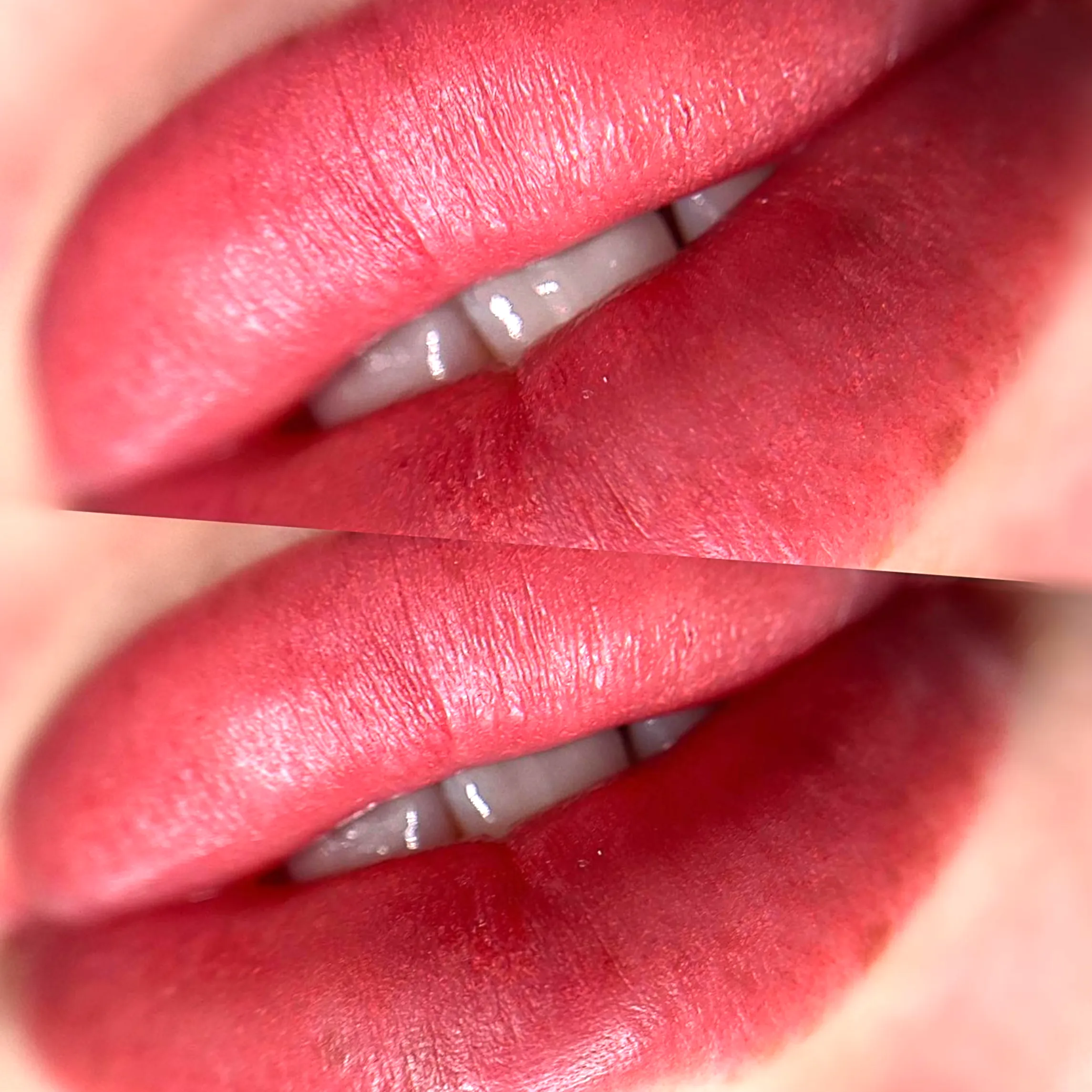
When you get a lip blushing tattoo, the lip skin is gently opened using a cosmetic tattoo gun to deposit cosmetic pigment into the upper dermis. That triggers a healing response, where your immune system jumps in — shedding, repairing and protecting.
This surface peeling helps:
- Remove excess lip pigment that didn’t implant
- Clear away dead or damaged skin cells
- Reveal your new semi-permanent lip tint underneath
Expect it to feel dry, textured or mildly itchy. It’s all part of the healing stages — and part of how your lips absorb the pigment. Lip blushing is one of the most popular cosmetic tattoo options in Melbourne right now because of its subtle, natural enhancement.
What If You Don’t Peel?
Not everyone peels dramatically. If your lip skin is resilient or your cosmetic tattoo technique was gentle, your peeling may be minimal.
That’s totally fine, as long as:
- Your lip blush colour starts to lighten or shift into a natural gradient
- You’re not dealing with excessive tightness, irritation or cold sores
- The skin tone evens out by week 4
If none of the above happens, chat with your tattoo artist. It could be related to sun exposure, allergic reactions or pigment retention issues. A good Melbourne lip tattoo should still show results — even if peeling is subtle.
Peeling vs Picking: A PSA We Can’t Say Loud Enough
We know it’s tempting — those little flakes are right there. But picking is one of the most common reasons Lip Blush results don’t last.
Here’s why picking = bad news:
- You risk removing pigment before it bonds to your skin tone
- Picking increases the risk of lip tattoo infection
- You could trigger fever blisters or cold sore outbreaks if prone
- It disrupts lymphatic fluid flow during the healing process
What to do instead: keep your lips hydrated with approved aftercare products and don’t touch. Your future colour gradient depends on it. A properly healed lip tattoo should look like soft, tinted tattoo lipstick — minus the smudge.
How to Care for Peeling Lips
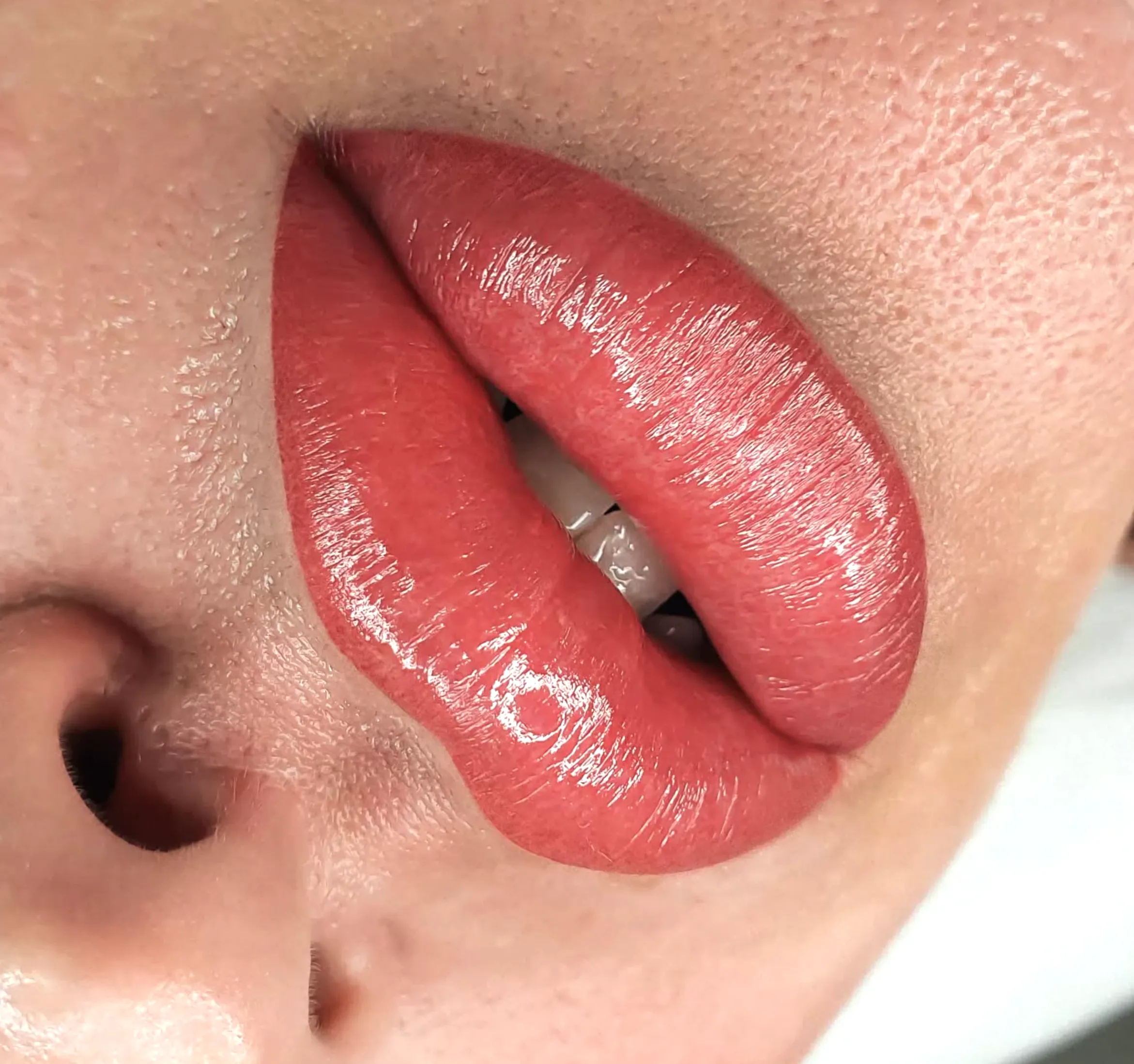
This is your skin’s moment to exfoliate — don’t mess with it. Here are the aftercare instructions we give to all clients:
DO:
- Apply aftercare gel or clean lip balm several times a day (no lip exfoliators)
- Use physical sunscreen with zinc oxide when outdoors (yes, even on cloudy days — UV rays matter)
- Avoid spicy food, liquid lipstick, glycolic acids and vitamin C near your lips
- Use a straw to drink with during the early healing stages
DON’T:
- Apply makeup, lipstick, or gloss before the peeling ends
- Scratch, rub, or scrub your lips
- Share utensils or a kiss during the vulnerable healing phase
- Skip hydration — lip hydration is key to pigment settling
Is It Normal for the Colour to Disappear?
Yes, and this part freaks most people out. After peeling, your lips might look pale, frosty or uneven — that’s the “ghost phase”
During this time:
- Your lip blush tattoo is settling underneath the skin
- The colour will re-emerge slowly over the next 2-3 weeks
- Some areas may fade faster depending on your skin type and care
It’s not a fail. It’s just how lip blush tattooing works. Clients who’ve used heavy lipstick before love how low-maintenance their lips feel after the tattoo lipstick looks set in.
Real Talk: What We See in the Studio
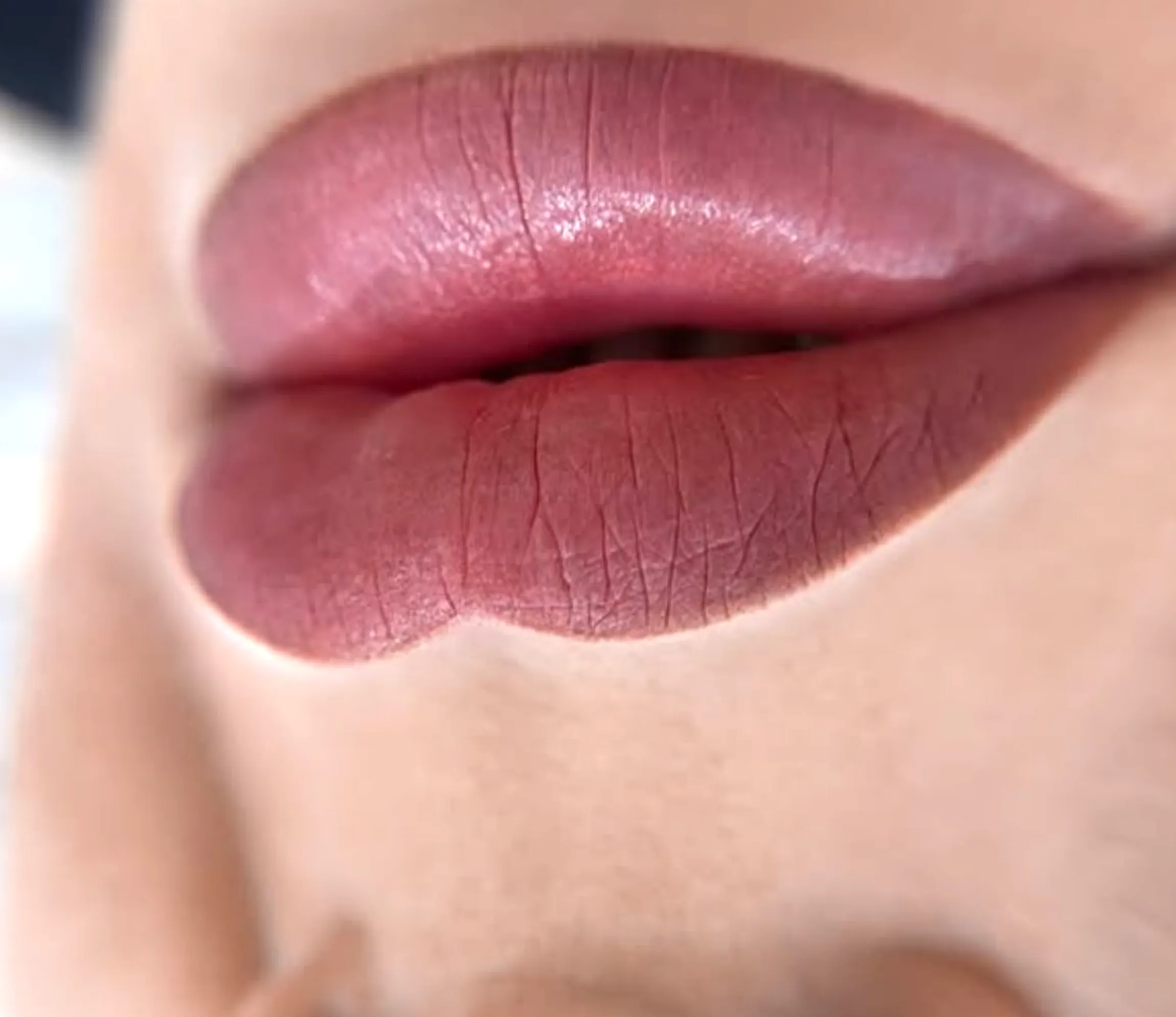
Around day 4 or 5, we get the “my lip colour is gone!” texts. Trust me, it’s not. Your pigment is still there — it’s just hiding under new healed tissue.
By week 2:
- The peeling is done
- Your lip colour starts to show its new tone
- Most clients feel like themselves again — just with more defined lips
Following Pre & Post Care instructions properly ensures you avoid issues like allergic reactions, fading or pigment drop-out. A good lip blush tattoo should continue to evolve and improve for weeks after your first tattoo appointment.
How Long Until Lips Feel Back to Normal?
You’ll feel fine within 10-14 days. But the full Lip Blush healing process takes up to 6 weeks. That’s when you’ll know your true lip colour and tone.
Here’s what can affect healing stages:
- Your skin type (oily or mature skin may retain pigment differently)
- Any history of cold sores or fever blisters
- Sun, wind or pollution (sun exposure can bleach pigment)
- Compliance with aftercare instructions and products used
Final Thoughts: Trust the Process
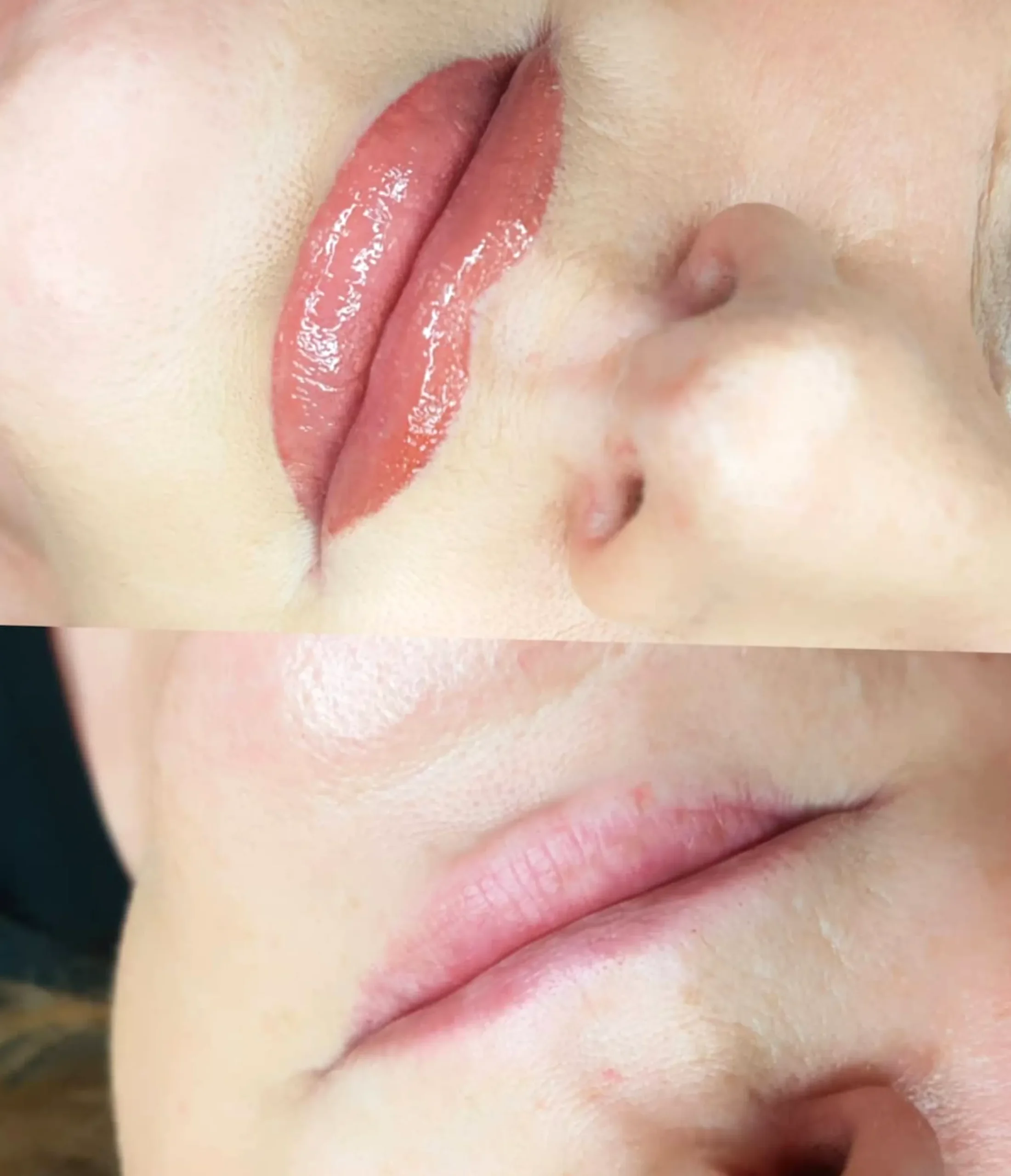
So, do lips always peel after lip blushing? In most cases, yes. But it’s temporary, it’s natural, and it’s part of a safe cosmetic tattoo process.
Peeling doesn’t mean something’s wrong. In fact it means your skin is in healing mode — exfoliating and adapting to the semi-permanent tattoo pigment underneath. Give it space, time and nourishment. And if something feels off — like an intense reaction, excessive swelling or scabbing — contact your tattoo artist. All professional studios should have a bloodborne pathogen certificate and follow proper hygiene protocols.
At Cosmetic Tattoo Studio Face Figurati in Melbourne, we’re happy to walk you through anything post-appointment — whether it’s tweaking your lip tint, troubleshooting your lip blush healing or planning your next touch up service.
FAQ
Can I speed up the peeling phase?
No — trying to rush it (with lip exfoliators, hot cloths or acids) can delay healing. Let the process unfold naturally.
What if my lips don’t peel at all?
That’s fine too. Not everyone peels visibly. As long as the lip colour develops and your lips feel healthy, your cosmetic tattoo is on track.
Is peeling the same as scabbing?
No. Peeling is light, flaky shedding. Scabbing indicates trauma — often caused by dry healing, aggressive technique or incorrect aftercare.
Can I wear lipstick to cover the peeling?
Avoid it. Lipstick can trap bacteria and interfere with pigment bonding. Wait until the initial healing is complete.
Will my lip blush colour change after peeling?
Yes. That’s the beauty of Lip blush tattooing — the pigment lightens, adjusts to your skin tone, and settles into a natural lip shape and tint over time.