 by
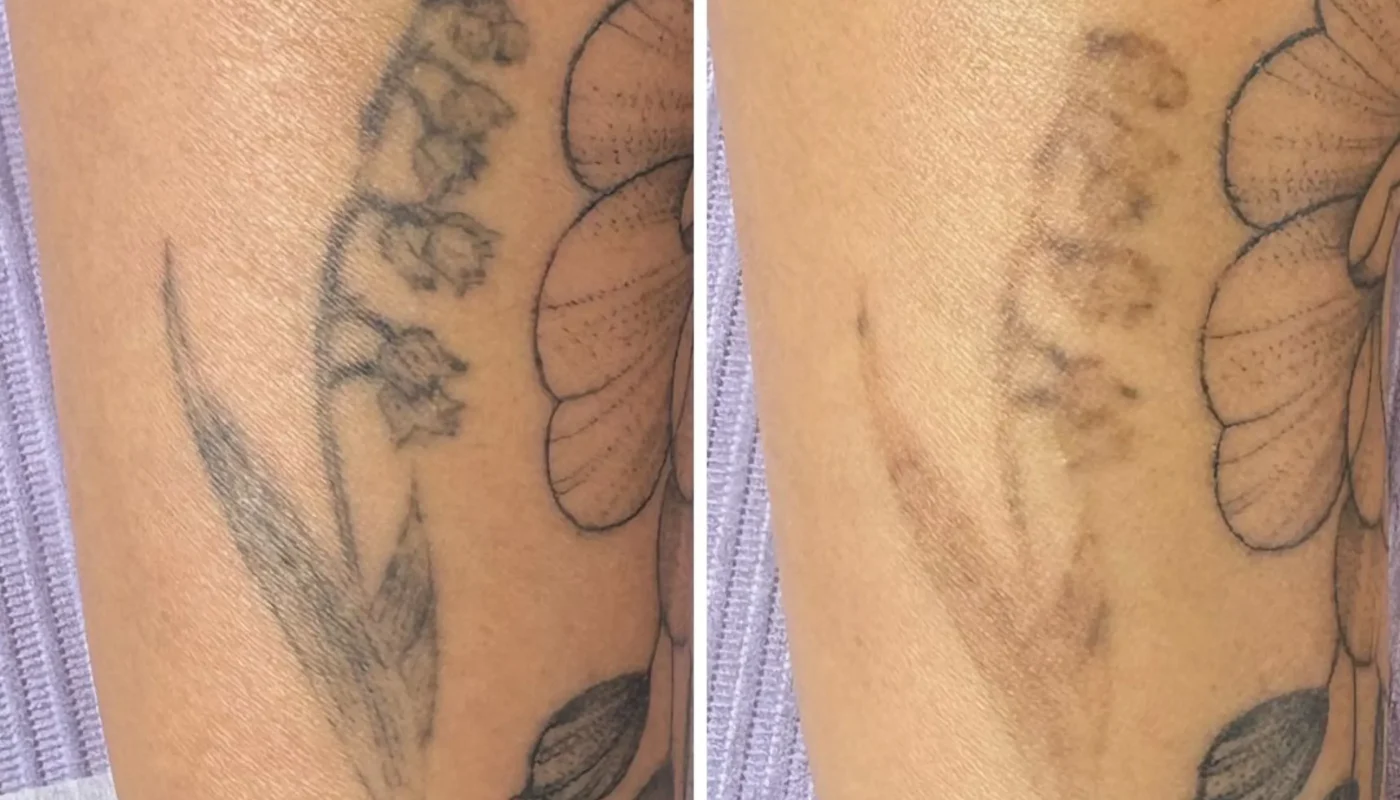
by The question “Why is fading better than full removal?” is one I get asked a lot in my Melbourne cosmetic tattoo studio – and today I’m finally answering it properly. As Olha Po, I’ve spent years studying tattoo ink behaviour, correcting over-saturated microblading, calming skin reactions, and guiding clients through both saline tattoo removal and laser tattoo removal with Olha Po. In many cases, tattoo fading – not full removal – delivers better outcomes, healthier skin, and far more flexibility for future designs.
Think of this as a relaxed chat. We’ll talk about laser technology, why your immune system plays a key role, how ink composition affects results, and why full removal isn’t always necessary – or even ideal.
Contents
- 1 Why Most Clients Don’t Need Full Removal
- 2 Why Lightening Is the Best Option
- 3 Lightening Is Better for Your Skin Health
- 4 Cost, Time, and Comfort
- 5 Removal vs Fading: A Practical Comparison
- 6 Why Artists Prefer a Softer Base
- 7 Reduced Skin and Scarring Risks
- 8 How Your Body Clears Lightened Ink
- 9 Why Fading Is Kind to Your Skin
- 10 Aftercare: The Key Differences
- 11 When Complete Removal Is Necessary
- 12 FAQ
Why Most Clients Don’t Need Full Removal
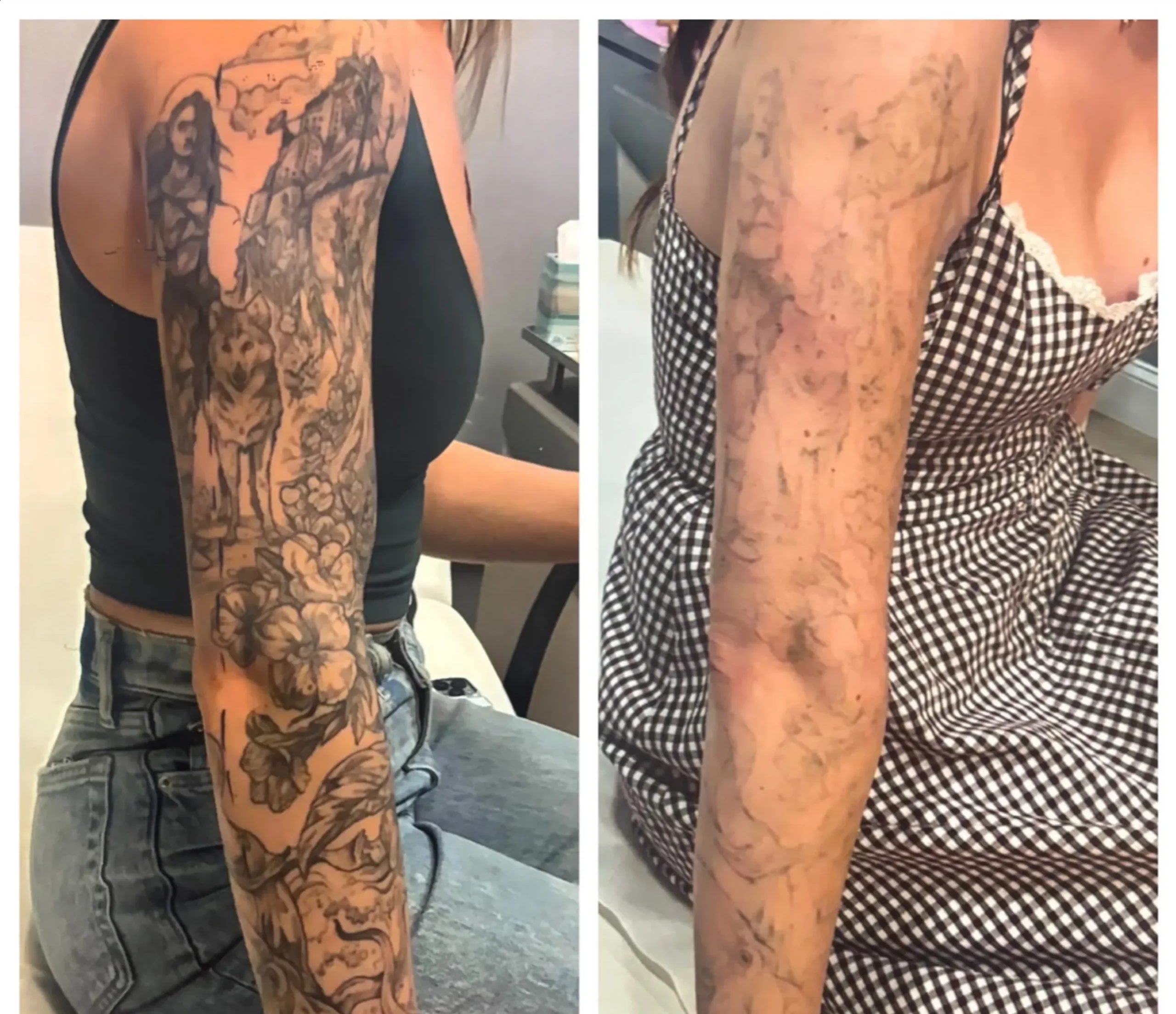
Most cosmetic tattoos, especially brows and lips, don’t need to be completely erased to move forward. In Melbourne, many clients arrive worried they must remove everything, but at Cosmetic Tattoo Melbourne, most only need controlled pigment fading to achieve the desired result.
Fading is gentler on the skin and allows for a safer treatment plan. Instead of aggressive laser passes to eliminate every trace of ink, we reduce the pigment to a workable level that supports a fresh design. This approach also works for stubborn pigments, including iron oxide, chromium oxide, and mixed organic inks.
Why Lightening Is the Best Option
Cosmetic tattoo pigment typically sits closer to the surface of the skin in the dermis, while body tattoos are placed deeper. That means tattoo lightening is often faster and more predictable, especially with modern systems like Q-switched lasers or picosecond technology.
Laser energy breaks ink into microscopic fragments – a process known as laser shattering. Rather than destroying every particle, fading allows the lymphatic system and circulatory pathways to gradually clear the pigment. This is kinder to the skin and still produces excellent visual results.
Lightening Is Better for Your Skin Health
Melbourne weather keeps skin under constant stress – from harsh UV exposure to cold, dry winds. Repeated full-removal sessions increase the risk of skin irritation, swelling, and keloid scarring, particularly for sensitive skin types.
Why Gentle Fading Is So Important
Fading reduces:
- Heat build-up in the skin
- Excess swelling
- Texture changes in the dermis
- Risk to eyebrow hair follicles
- Long-term inflammation
By respecting the skin’s limits, the healing process stays smooth and predictable while the body clears fragmented ink naturally.
Cost, Time, and Comfort
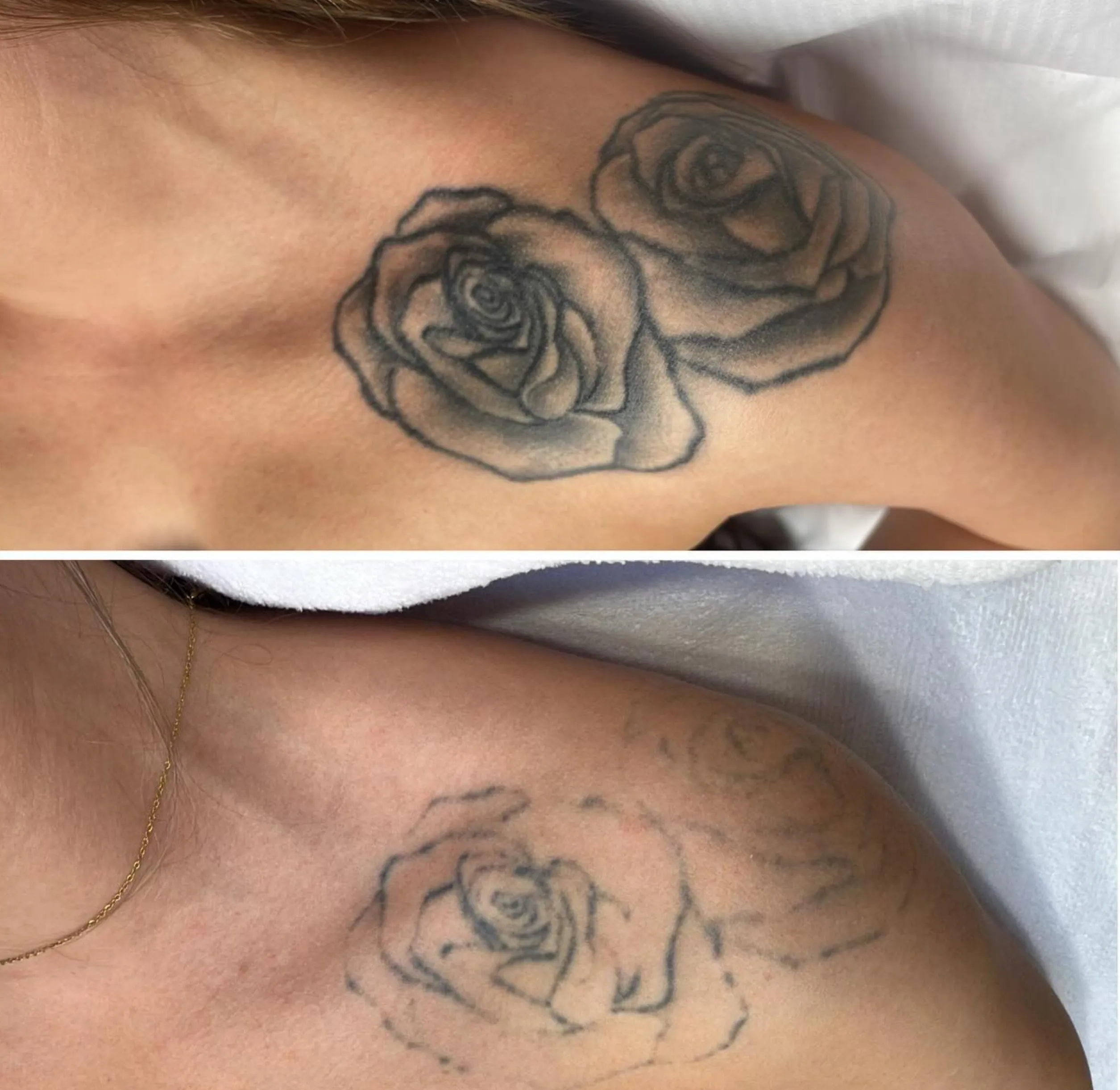
Let’s be honest – tattoo removal costs can climb quickly. Full removal usually means more sessions, longer recovery, and stricter aftercare. Tattoo fading reaches aesthetic goals faster, particularly when the aim is correction rather than a blank slate.
Removal vs Fading: A Practical Comparison
| Factor | Fading (Lightening) | Full Removal |
|---|---|---|
| Typical Sessions | 1–3 | 6–12+ depending on ink composition & tattoo size |
| Skin Trauma | Low–moderate | Higher due to repeated heat exposure |
| Laser Technology Needed | Q-switched lasers or picosecond technology | Stronger wavelength combinations |
| Best For | Correction & redesign | Dense black blocks or deep synthetic inks |
| Post-Treatment Care | Shorter | Longer and more restrictive |
| Total Cost | Lower overall | Higher overall |
In real Melbourne clinic conditions, more than 80% of my correction clients only require pigment fading before their cosmetic tattoo can be improved.
Why Artists Prefer a Softer Base
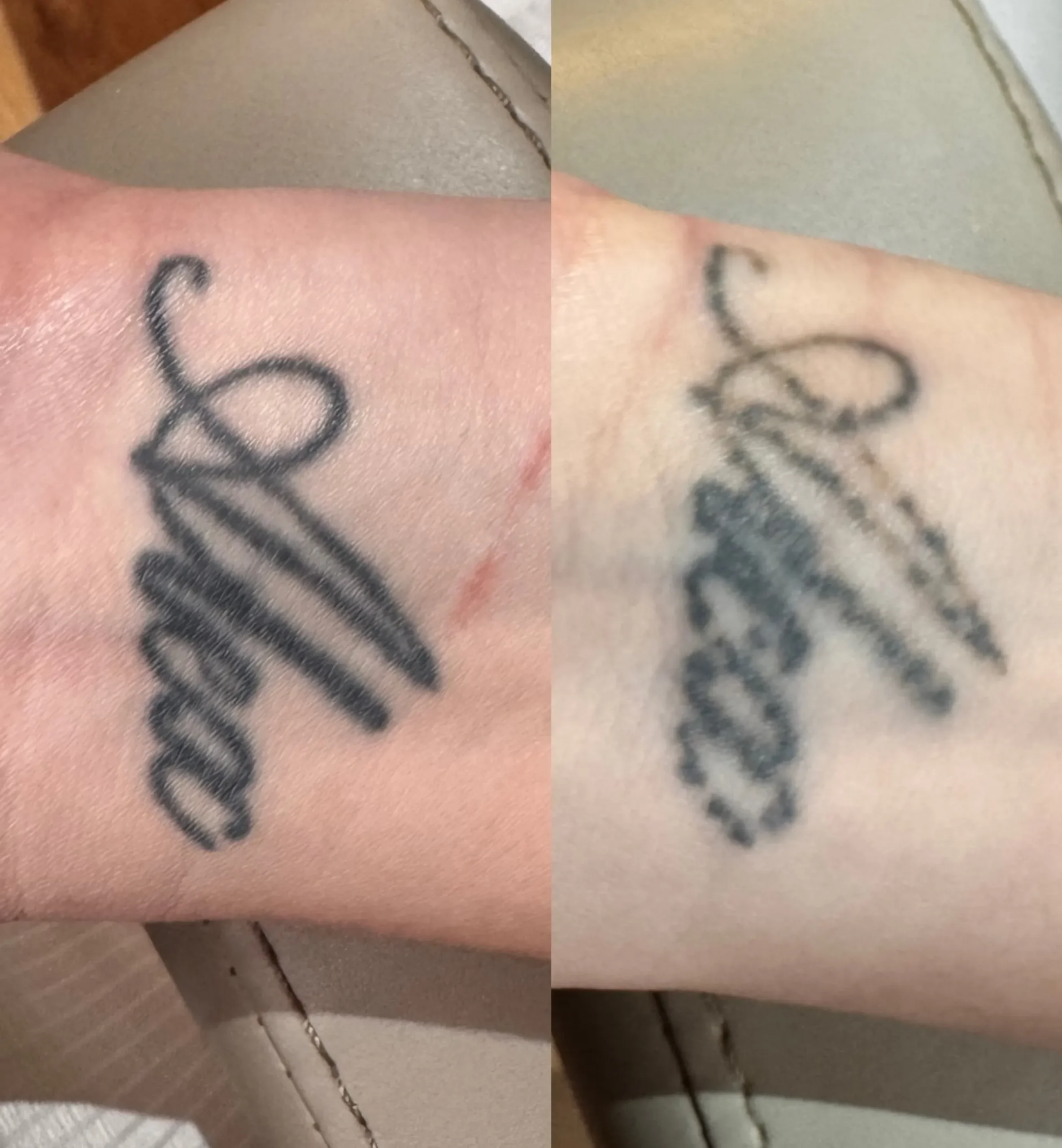
When brows are too dark, uneven, or heavily saturated, fading creates a clean working base. Tattooing over dense pigment is like painting on a muddy wall – results are always compromised.
A faded base allows:
- Improved symmetry control
- Cleaner colour matching
- More natural-looking results
- Reduced skin trauma
- Longer-lasting cosmetic tattoo outcomes
I worked with a Melbourne client whose brows contained dark blue-grey microblading with iron oxide pigment. Instead of aggressive removal, we used staged fading sessions. The colour softened beautifully, healing was effortless, and the final brow design looked fresh, balanced, and natural.
Reduced Skin and Scarring Risks
Going in for full tattoo removal can be a real gamble – you risk:
- Changes in skin texture
- Developing skin pitting
- Experiencing ink blowouts
- Pigment returning darker than before
- A delayed healing process
This is especially true for people with sensitive skin or those prone to scarring. Tattoo fading, by comparison, is a far gentler approach that significantly reduces these risks.
How Your Body Clears Lightened Ink
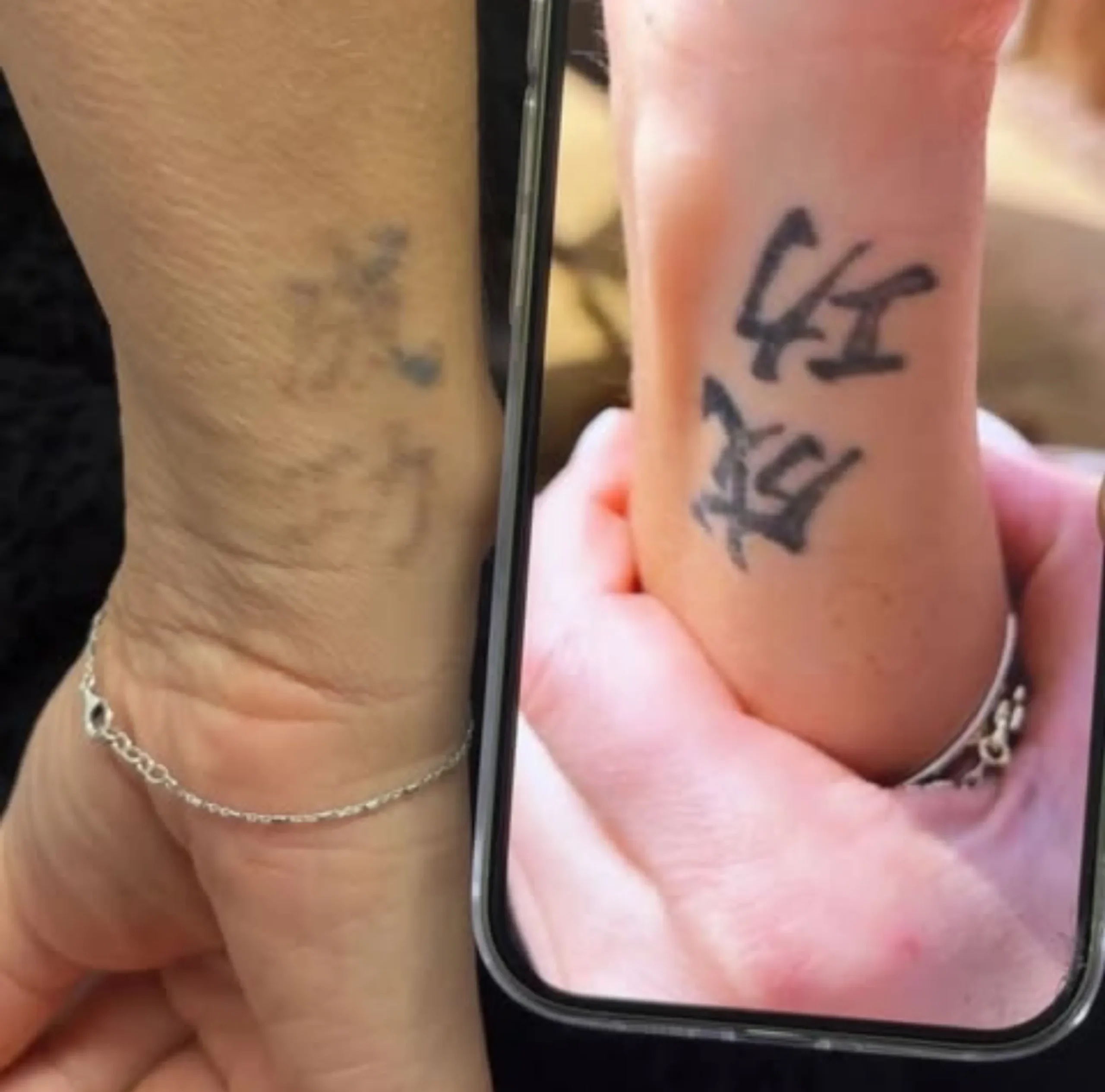
Laser treatments don’t actually erase tattoo ink – your body does that work. The laser breaks the pigment into tiny ink particles, and then your circulatory system and lymphatic system gradually remove them over the following weeks.
Why Fading Is Kind to Your Skin
By using lower heat levels, fading creates fewer inflammatory reactions.
Smaller ink loads also mean the immune system can clear pigment more efficiently.
Spacing out sessions gives the skin time to recover, which is far healthier for the dermal layer.
That’s why healing with fading usually feels faster and more comfortable – your skin isn’t overwhelmed by excessive trauma.
Aftercare: The Key Differences
With full removal, aftercare can be demanding, especially strict sun avoidance – something that’s hard to manage in Melbourne, particularly during summer.
Fading aftercare is much simpler:
- Keep the skin clean
- Avoid excess heat and sweating for the first 48 hours
- Do not pick or scratch
- Apply soothing ointment if needed
- Protect the area from sun exposure
Clients consistently say how easy this routine feels.
When Complete Removal Is Necessary
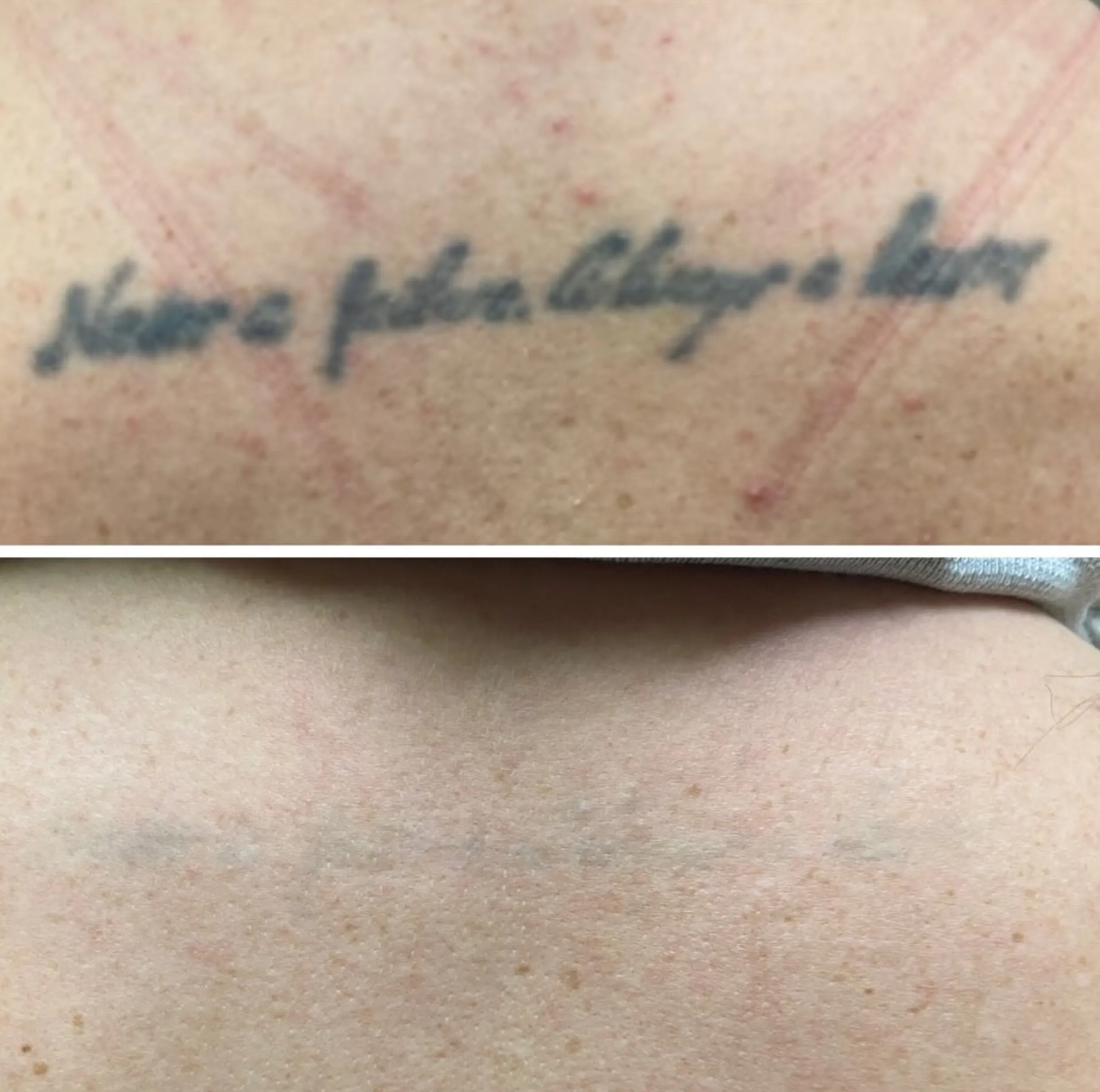
In some situations, complete tattoo removal is unavoidable, particularly when:
- The design sits outside the natural bone structure
- Colours include chromium oxide or dense black pigment
- The shape interferes with new brow mapping
- Saline removal failed due to ink depth
- Inorganic compounds resist fading
These cases exist – but they are the exception, not the rule.
FAQ
Does fading work on all ink compositions?
Fading works on most inks, including organic compounds, inorganic compounds, iron oxide, chromium oxide, and synthetic inks, although some colours may take longer.
Is picosecond technology better than Q-switched lasers?
Picosecond laser technology, such as PicoSure, breaks down ink particles faster, particularly in cosmetic tattoos.
How many sessions will I need for fading?
The number of sessions depends on tattoo size, ink depth, skin type, and colour saturation.
Does fading damage eyebrow hair follicles?
No. When performed correctly, modern lasers target tattoo pigment, not hair follicles.
Is saline removal still useful?
Yes. Saline tattoo removal remains effective for stubborn inorganic pigments and can be combined with laser treatment in complex cases.