 by
by Small group vs large coach: Which Northern Territory tour style is the best for seniors? is a question I get asked daily by people weighing up a trip through the Northern Territory. I have to break it to them straight out – but honestly, both styles work, just not for the same kind of traveller. The trick is matching the tour style to how you really like to travel once you get to the Outback, not how you think you might like to travel back home.
I’m Paul Beames, and I’ve spent decades leading tours across Australia, and I’ve seen seniors getting the most out of everything from a laid-back small group tour out of Alice Springs to fully escorted nt tours that just roll along fine between the biggest highlights. I’ve worked with operators like Autopia Tours and seen firsthand how having the right group size, not to mention pace and guiding style, can make all the difference- especially out here in the Red Centre and the Top End.
Contents
- 1 How Group Size Affects Your Day To Day On The Road
- 2 Vehicles, Access, and the Reality of NT Terrain
- 3 Pace And Energy Management In The Heat
- 4 Cultural Understanding and Respect On Country
- 5 Iconic Experiences: What Each Tour Style Delivers
- 6 What A Good Night’s Sleep Means To Older Travellers
- 7 Value For Money: What You’re Really Paying For
- 8 How The Northern Territory’s Seasons Affect Your Trip
- 9 What A Northern Territory Trip Is Really Like
- 10 So Which Tour Style Suits Seniors Best?
- 11 Final Word From Experience
- 12 FAQ
How Group Size Affects Your Day To Day On The Road
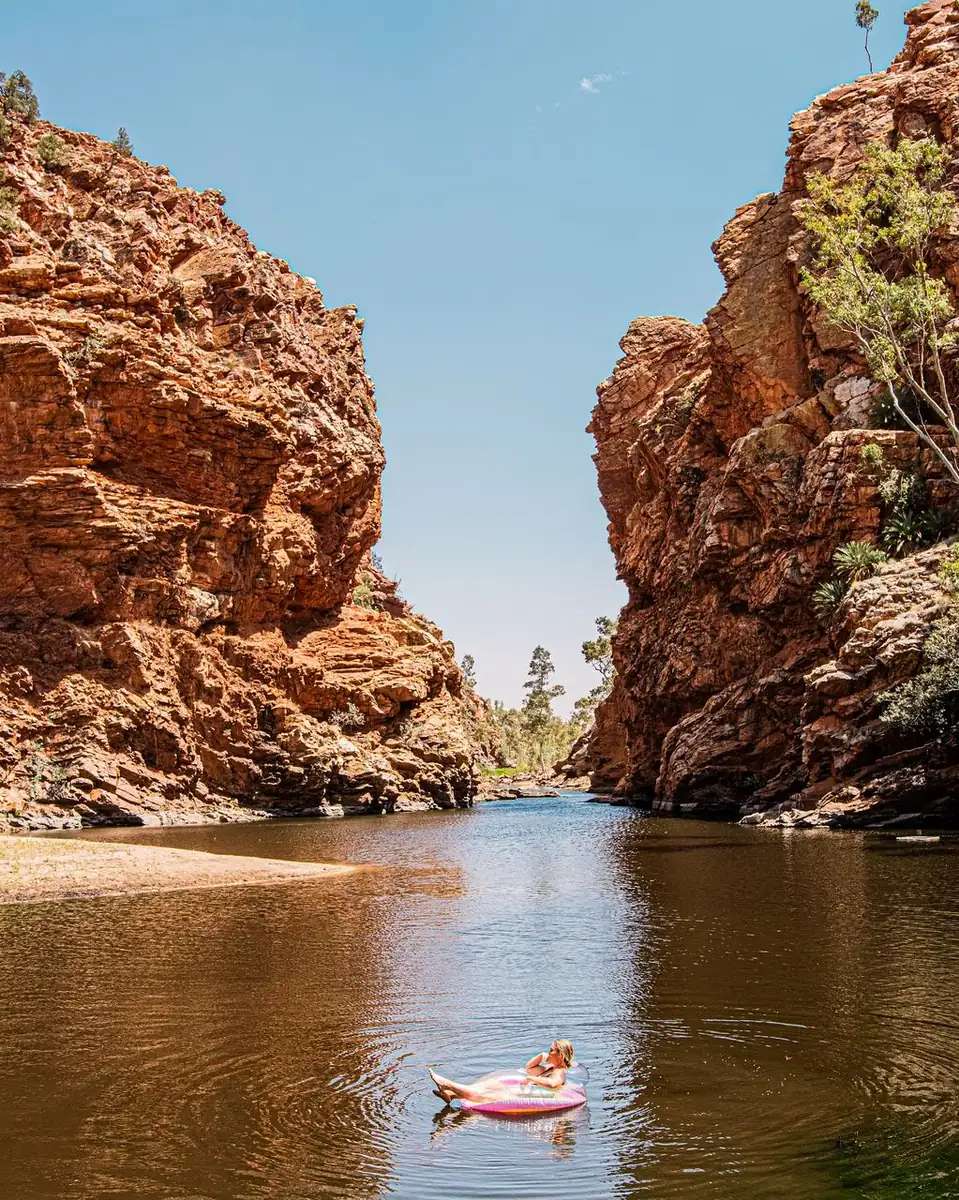
Out here, the size of your group has a lot more impact than just whether you get along with the people on the tour. It’s also the amount of time you spend waiting at road stops, how close you get to that rock art, and whether the guide can throw a spanner in the works when the heat suddenly gets too much.
I’ve seen a small group pull up early at Standley Chasm to beat the crowds, while the big coach arrives later, parks way back, and gets going again quickly. Neither was wrong – it just gave everyone a different day, and that’s just the way it is.
Vehicles, Access, and the Reality of NT Terrain
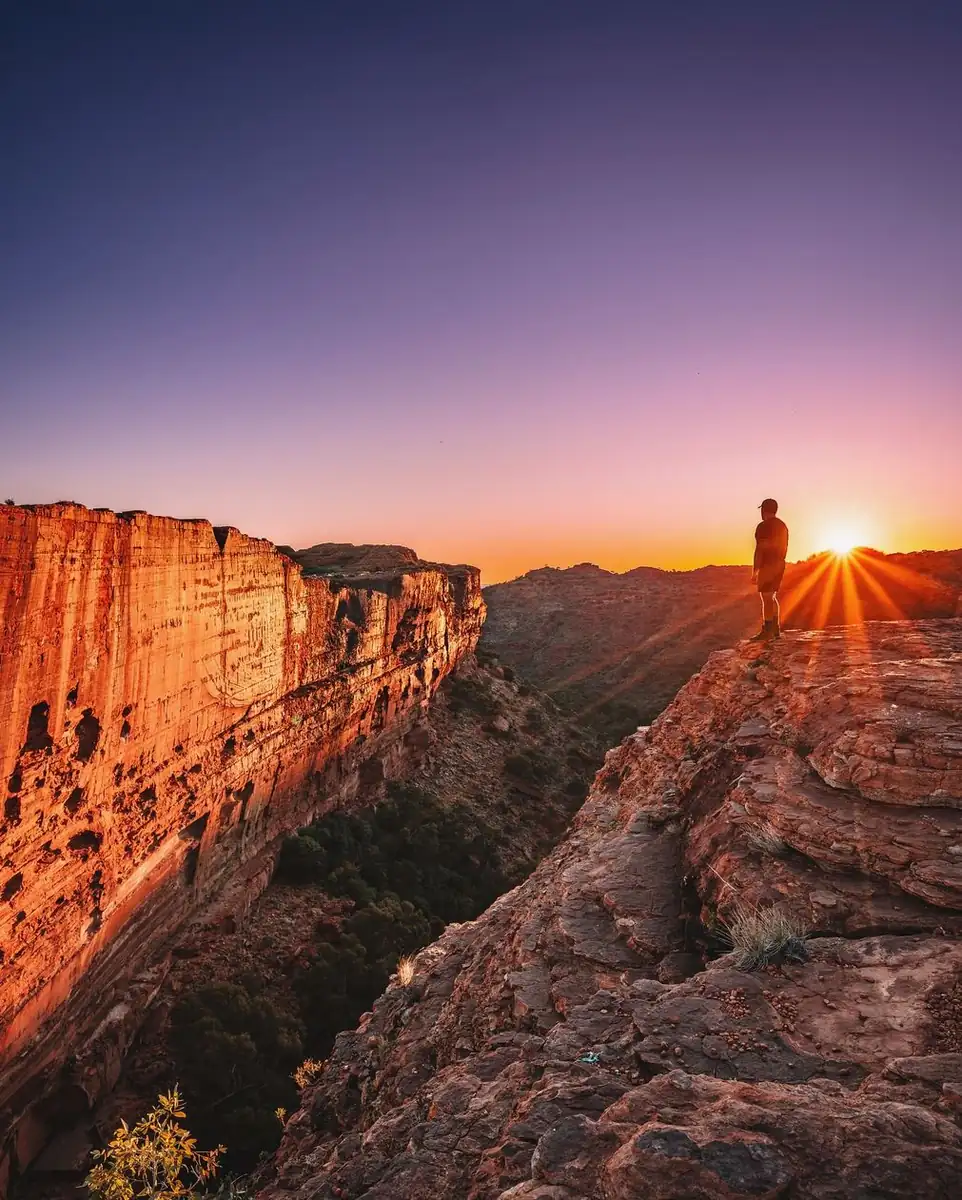
The landscapes around Kings Canyon, Kata Tjuta and the MacDonnell Ranges are just stunning – but they’re not exactly made for taking a leisurely stroll. Youve got uneven ground, heat haze and long distances to contend with.
Small groups often go in minibuses or 4WDs, which lets you get onto quieter tracks and take in some of the more off-the-beaten-track natural sights that you might not otherwise get to see. Big coaches, on the other hand, generally stick to the sealed roads, and that’s probably for the best for travellers who like to keep things a bit more low-key.
Access Factor
| Access Factor | Small Groups | Large Coaches |
|---|---|---|
| Vehicle type | 4WD / Minibus | Full-size coach |
| Terrain reach | Dirt + sealed | Mostly sealed |
| Walking flexibility | Adjustable | Fixed |
| Pace control | Guide-led | Timetable-led |
On a trip to Katherine Gorge – also known as Nitmiluk Gorge – a smaller vehicle let us tweak our schedule and make the most of being on the river without feeling rushed. Then we had a coach tour later that week, which had to stick to a tighter window but still provided a smoother ride for anyone who just wanted to sit back and relax.
Pace And Energy Management In The Heat
Heat makes all the difference, especially for older people. In the Top End, humidity builds quickly, while in the Red Centre, you get dry, draining days.
Small groups cope better. A tour leader can slow the pace, add shade breaks, or shorten walks at places like the Valley of the Winds when people are getting too tired. Coaches, on the other hand, adhere to a set departure time, which some travellers prefer because it removes the need for decision-making.
Tourism figures show that older travellers give their trips much higher ratings when the pace is relaxed rather than super-quick, which is why loads of seniors opt for private tours or join small groups.
Cultural Understanding and Respect On Country
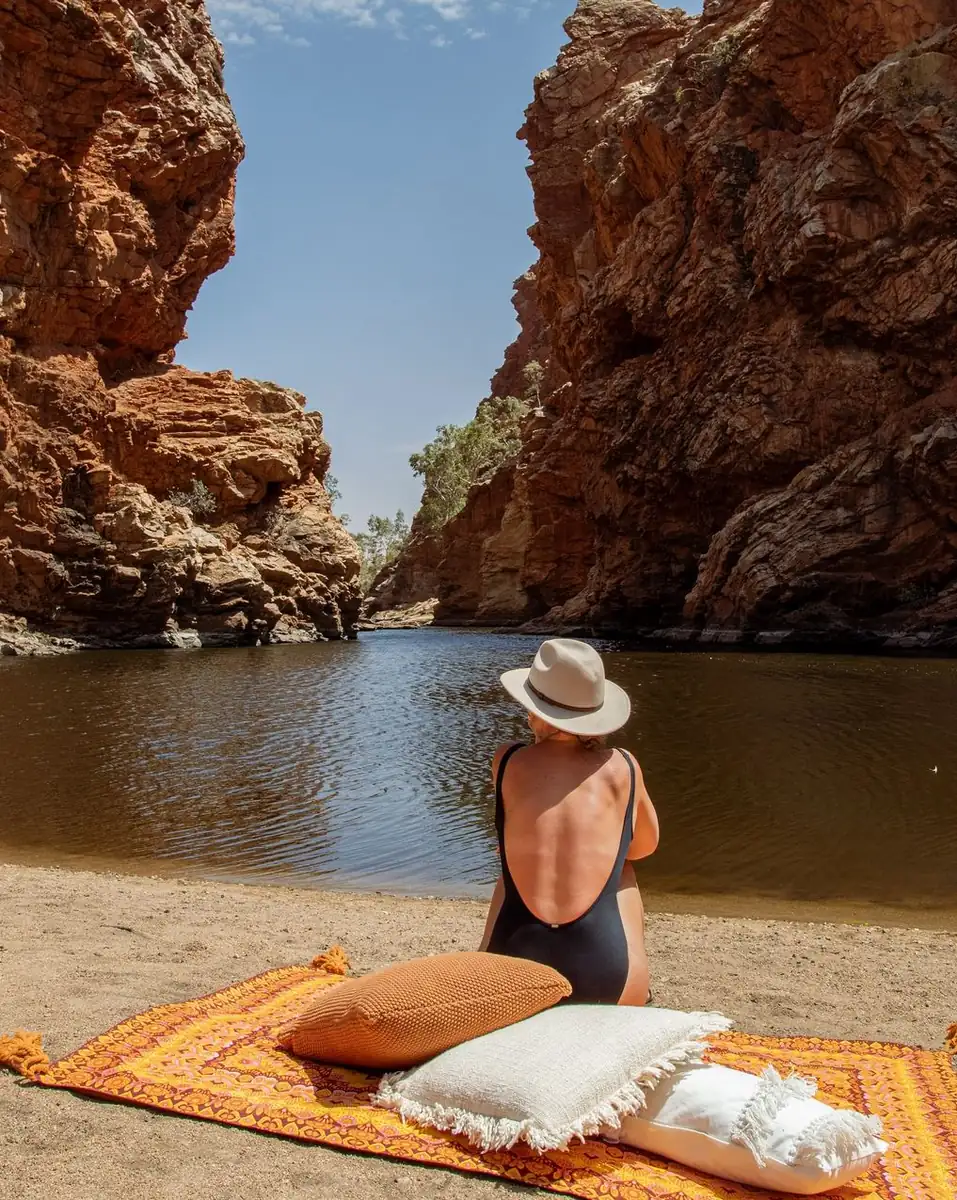
If you really care about getting to know some of the Aboriginal culture and indigenous culture, then group size really does matter. Smaller groups give you space to just listen, ask questions and take in the context – especially when learning about First Nations culture.
In areas near Arnhem Land and within Kakadu National Park, visitor numbers are actively managed. For the most respectful engagement with Aboriginal communities, a small group is usually the way to go – large groups just don’t work.
I’d seen some travellers really moved by a quiet chat about some rock art from a local guide – something which is a lot harder to do when you’ve got fifty people all rotating through on a tight schedule. That’s when you really start to get a genuine cultural experience.
Iconic Experiences: What Each Tour Style Delivers
Both large coach tours and small groups cover all the obvious highlights; it’s just how you experience them that differs.
Big coaches do a great job when you want to make a big impression:
- Viewing Field of Light near Ayers Rock – no fuss at all
- Sunset stops at Uluru Ayers Rock – always on schedule
- Transfers via Ayers Rock Airport – seamless as can be
Small groups – on the other hand – are perfect when flexibility is key:
- Early or late access at Watarrka National Park – no queues
- Optional activities like Uluru by camel or a gentle camel ride – if you want to
- Adjusted walks around Kings Canyon depending on the weather – rather than having to push on
These places are world-renowned as World Heritage Sites, and how you navigate them is what really makes the difference.
What A Good Night’s Sleep Means To Older Travellers
As we get older, good sleep becomes the most important factor.
Large coaches usually operate in a set format, staying in hotels or lodges every night – nothing too adventurous. Smaller groups are more likely to mix it up – hotels here, tented camps there – but still manage to find a decent bed and a bathroom to themselves, without the crowds of a big hotel.
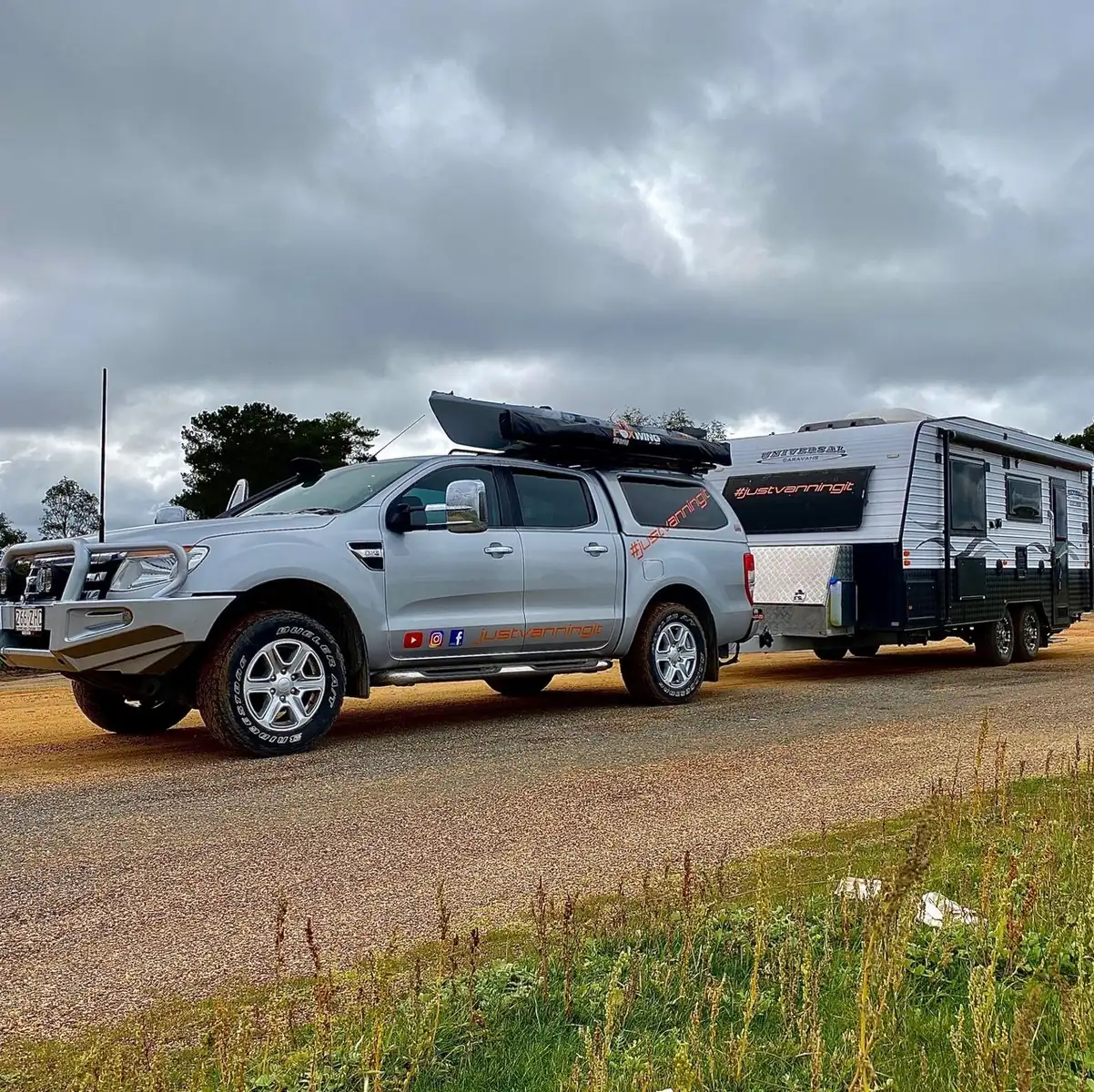
For a few travellers, the idea of a caravan tour or even a light camping tour still holds some appeal, but for most seniors, it’s a pretty safe bet they’ll prefer the balance of comfort and a feel for the place you get with a small-group tour.
Value For Money: What You’re Really Paying For
At first glance, those big tour packages can seem pretty cheap. But scratch the surface.
Small group tours generally come with a lot more included in the price:
- national park entry fees that add up quickly
- guided walks and talks that help bring the place to life
- most of your meals, so you don’t have to worry about a thing
- and some of the best local guides in the business
Big coaches, on the other hand, often list their extras separately, and neither approach is wrong; it’s just that you need to compare the fine print, not just the headline price.
How The Northern Territory’s Seasons Affect Your Trip
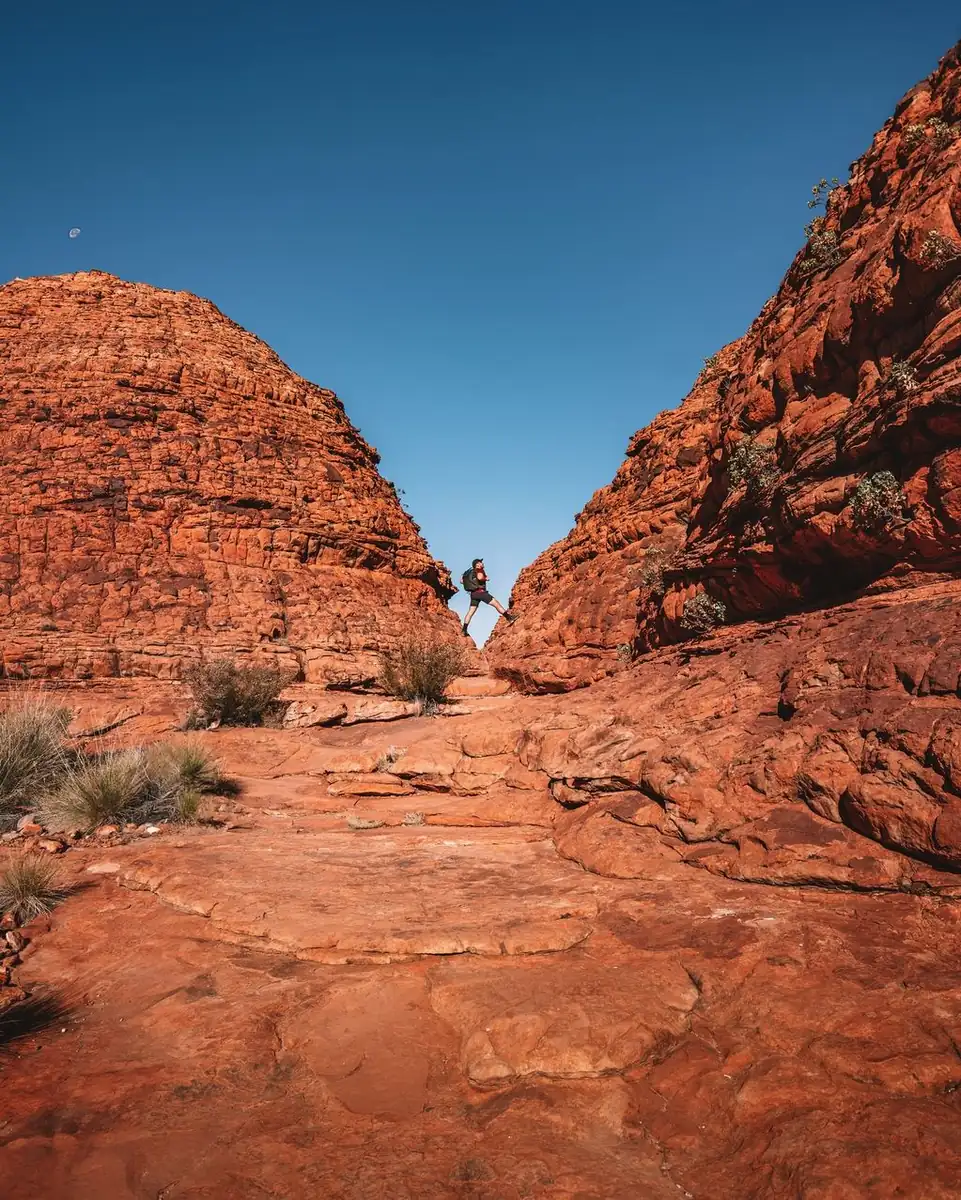
The NT is pretty much a two-season place – and seniors can feel the difference more than most.
Dry Season (May–September): The best weather, but also the busiest roads – not ideal if you’re looking for a bit of peace and quiet
Build-Up (October–November): Hot and humid, and you may have to be a bit more flexible with your plans
Wet Season (December–April): Some tracks may be closed due to flooding, and air tours may be the only option
Small-group tours can often adapt if a track closes, but large coaches may have to reroute or cancel a section altogether.
What A Northern Territory Trip Is Really Like
Travellers often ask us how NT touring compares with destinations such as the Great Ocean Road, Kangaroo Island, South Australia, and similar places, or with trips to the Great Barrier Reef, the Twelve Apostles, or the NSW Central Coast and Sydney suburbs.
The truth is, the NT is pretty different – the distances are bigger, the services are fewer, and you really do need to plan ahead. You’re not going to be popping by Parliament House or following a sealed loop like the Gold Rush trails or the Canning Stock Route; that’s why tour structure matters so much here.
So Which Tour Style Suits Seniors Best?
Well, here’s what we’ve learned after years of touring:
Small-group or private tours are the way to go if you want some flexibility, to really get the most from your trip, and to have a guide who can answer your questions and be responsive to your needs.
If you’re looking for a more predictable experience, minimal exertion and a comfy hotel every night, then a large escorted tour is probably your best bet.
And the best choice for you will depend on your energy levels, what you’re interested in seeing and doing, and how you feel about the heat – it’s not just about how old you are.
Final Word From Experience
The Northern Territory is a pretty unforgiving place to travel to if you’re not prepared, and as a senior, you’re probably thinking about planning ahead to make sure you make the most of your trip. So if you choose a tour style that matches your bit about energy, you’ll enjoy it loads more – simple.
If you’re looking for expert advice on where to go and when to go, strong visuals and guides who know when to push the pace and when to take it easy, then you should get in touch with a reputable tour operator before booking – don’t rush in.
FAQ
Are small-group tours suitable for seniors with limited mobility?
Yes, they can be, as long as the tour has a clear itinerary and is flexible. Many small-group tour operators are happy to adjust their daily activities so everyone can join in.
Do large coaches still offer a cultural experience?
They do, but it’s a bit more structured, and you’ve only got a certain amount of time to get what you need from the experience – compared to a small group, it’s just not the same.
Can seniors visit Nitmiluk and Kakadu on either type of tour?
Yes, both parks are on many itineraries, but access can vary by vehicle type.
Is Uluru accessible without a long walk?
Absolutely. All viewing areas, cultural centres, and sunset spots are easily accessible across all tour styles.
When should seniors book?
Don’t leave it too late – the dry season books up fast. If you see a departure that suits you, then go ahead and book – but only if the tour style looks like it’s going to suit you and your energy levels.