 by
by First time in Australia for skiing? Whether you’re headed to Thredbo, Perisher or Falls Creek, having the right gear will make all the difference. Australia’s ski season is June to October and being prepared will make the experience fun and comfortable. A planned snow trip Melbourne can be a great adventure for families, couples or solo travellers looking for some mountain fun. Here’s a packing guide to get you started.
Contents
1. Essential Ski Clothing

When packing for your day trip to snow from Melbourne, layering is key to staying warm and comfortable in unpredictable weather. Your clothing essentials should include:
- Ski Jacket & Snow Pants – A waterproof outer layer that’s warm and weather-proof.
- Base Layer – Thermal tops and bottoms made of moisture-wicking materials like merino wool or synthetic fabrics.
- Mid-Layer – Fleece or down jacket for extra warmth.
- Waterproof Gloves or Outer Gloves – Essential ski clothing to keep your hands warm and dry.
- Ski Socks – Thick, moisture-wicking socks to keep your feet warm and comfy.
- Neck Gaiter or Scarf – Protects your face from wind and cold.
- Beanie or Balaclava – To keep your head warm when not wearing a helmet.
- Extra Layer – A lightweight insulating layer to adjust to changing temps throughout the day.
What to Wear for Cross-Country Skiing
Cross-country skiing requires different clothing to downhill skiing. Instead of bulky snow gear, opt for breathable, moisture-wicking layers that allow for freedom of movement. The benefits of cross-country skiing include a full body workout, lower costs and fewer crowds. If you’re planning a snow tour, consider bringing versatile clothing that will keep you comfortable in all conditions.
2. Ski Equipment (If Not Renting)
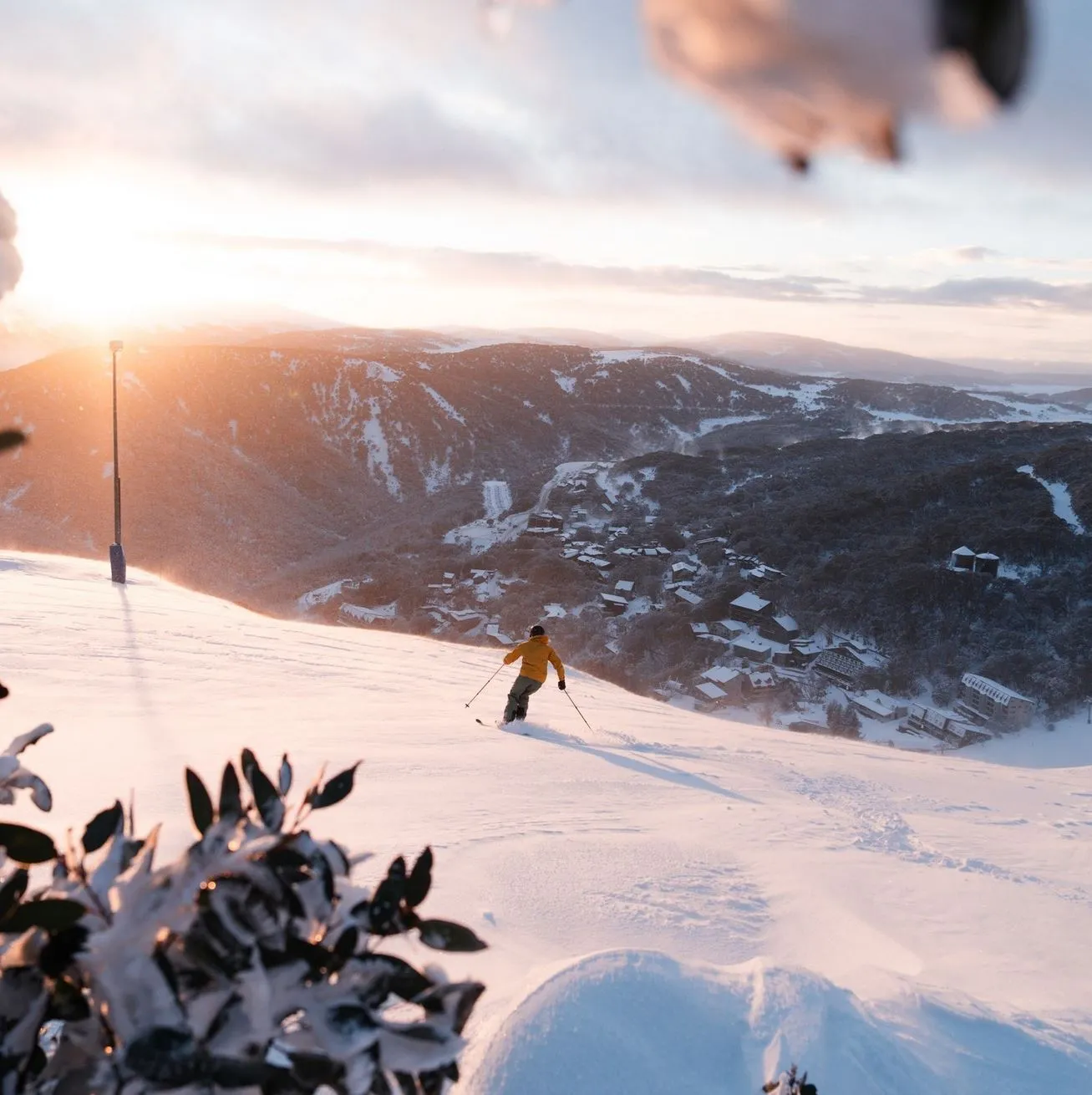
- Skis or Snowboard – Choose based on your winter sport, downhill or cross-country skiing.
- Ski Poles – Essential for balance and movement on the snow.
- Ski Boots – Ensure a snug fit for comfort and control.
- Helmet – Protects against injuries and is highly recommended for all skill levels.
- Goggles – Essential for visibility and snow glare.
3. Extras
- Sunscreen & Lip Balm – Snow’s reflection can burn and dry out your lips.
- Sunglasses – Good for après-ski or when taking breaks from skiing.
- Hand & Foot Warmers – For super cold days.
- Backpack – Carries snacks, water and extra layers.
- Water Bottle – Stay hydrated.
- Camera or Action Cam – Capture your ski adventure.
- Hot Chocolate – The best way to warm up after a long day of skiing.
4. Casual & Après-Ski Wear
After a day on the slopes you’ll want to be in comfy clothes. Pack:
- Warm Clothing Essentials – Sweaters, fleece jackets and thermal leggings.
- Waterproof Boots – For walking around the resort.
- Swimwear – Many resorts have heated pools or spas.
5. Travel Stuff
- Lift Pass – Buy in advance to avoid queues.
- Accommodation & Transport Details – Keep booking confirmations handy for family holidays.
- Travel Insurance – For medical emergencies and gear protection.
- Weather-appropriate outerwear – A warm layer for off-the-slope activities.
- First Aid Kit – Basic medical supplies for minor injuries.
- Family Road Trip Memories – Bring a travel journal or camera to document your experience.
Expert Tips
- Know Your Ability – Choose slopes that match your skiing level.
- Take Breaks – Resting between runs helps with energy.
- Listen to Experts – Instructors can give you great tips to improve your skiing.
- Hydrate & Eat Well – Cold weather can dehydrate you, so drink water and eat energy-rich foods.
Bonus Activities for Adventurers
If you love outdoor sports, many ski resorts also offer other activities in the summer months. Mountain bike riding is a great way to improve fitness, adventure and scenery. If you hike, knowing your hiking ability will help you choose the right trails.
For those looking to go beyond skiing, a mountain bike guide will introduce you to alpine trails. Whether you are a beginner or an experienced skier, skiing and mountain biking will make for an epic snow adventure. Family snow day trips from Melbourne memories can be made by trying different snow and mountain activities with friendly staff at various resorts.
Conclusion
Plan ahead and pack the right gear and you will have a stress-free and enjoyable ski holiday. Whether you are a beginner or experienced skier, have the right snow gear, ski clothing and accessories and you will be comfortable and safe. Follow these expert tips, pack smart and make the most of your time skiing in Australia!
FAQ
Do I need to buy ski gear or can I rent it?
You can rent snow gear including skis, poles, boots and helmets at most Australian ski resorts. Renting is a good option for skiing if you are a beginner and don’t want to invest in expensive equipment right away.
What should I wear for skiing?
Layering is key! Wear a moisture-wicking base layer, insulating mid layer and waterproof ski jacket and snow pants.
Can I wear regular gloves and socks for skiing?
No, regular gloves and socks won’t provide enough warmth or protection. Get thermal, waterproof gloves and moisture-wicking ski socks to keep your feet warm.
What should I pack for après ski?
Pack warm, casual ski clothes, waterproof boots and swimwear if your resort has a spa or heated pool. You can also enjoy hot chocolate by the fire.
Do I need travel insurance for a ski holiday?
Yes, travel insurance is highly recommended to cover medical emergencies, lost gear and trip cancellations due to weather conditions.